
Last updated September 23, 2026
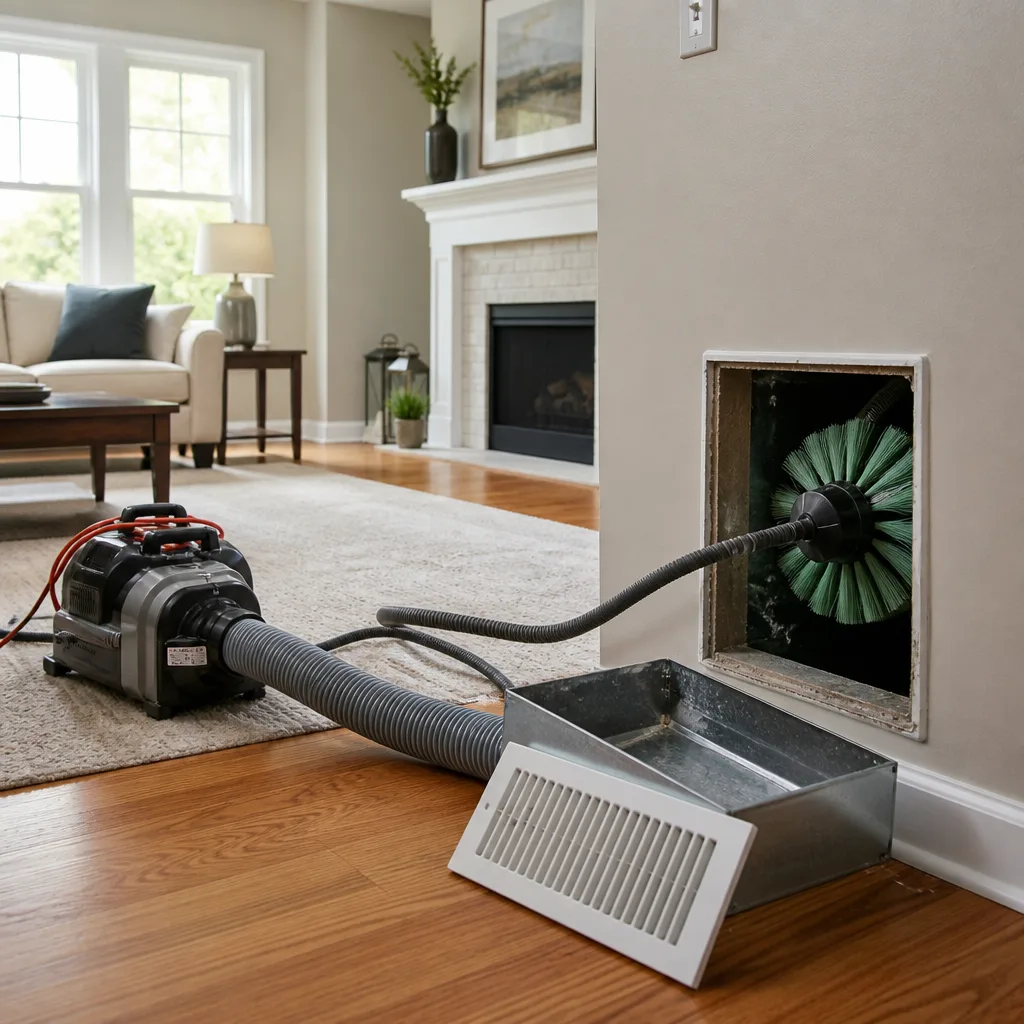
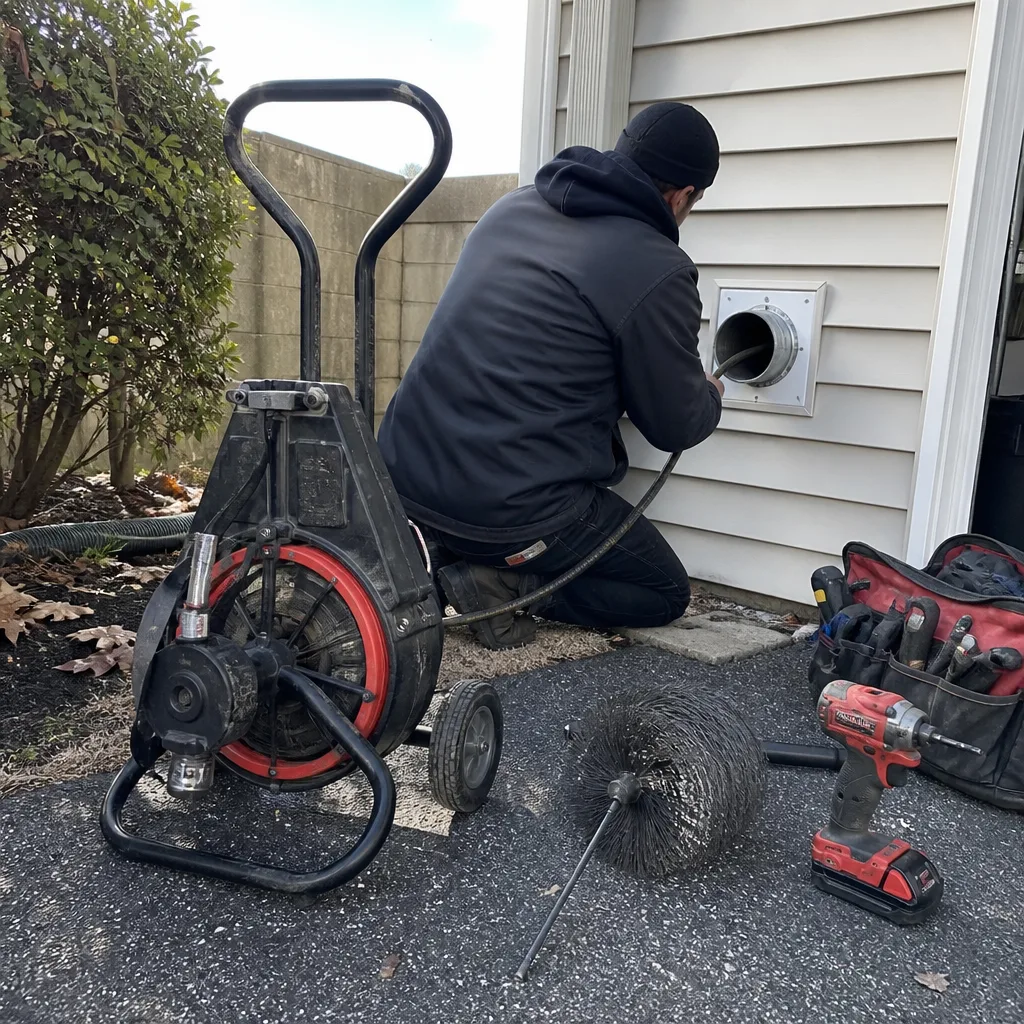
Whole-system duct and dryer vent check with before-and-after photos - you see exactly what came out of your vents
That "$99 whole-house special" is a bait ad - the real number appears once they are in your hallway, or the "clean" is a shop-vac at the register. We photograph the inside of your ducts before and after instead.
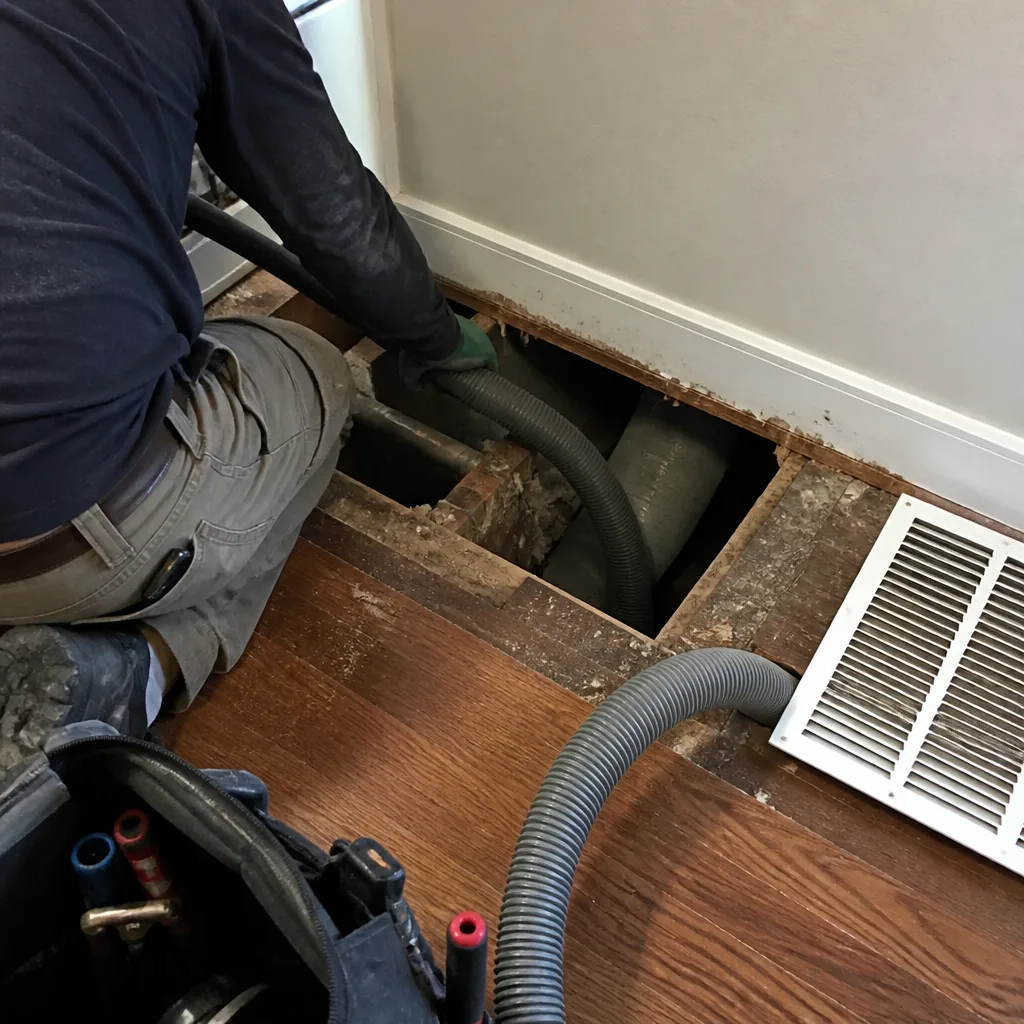 Before
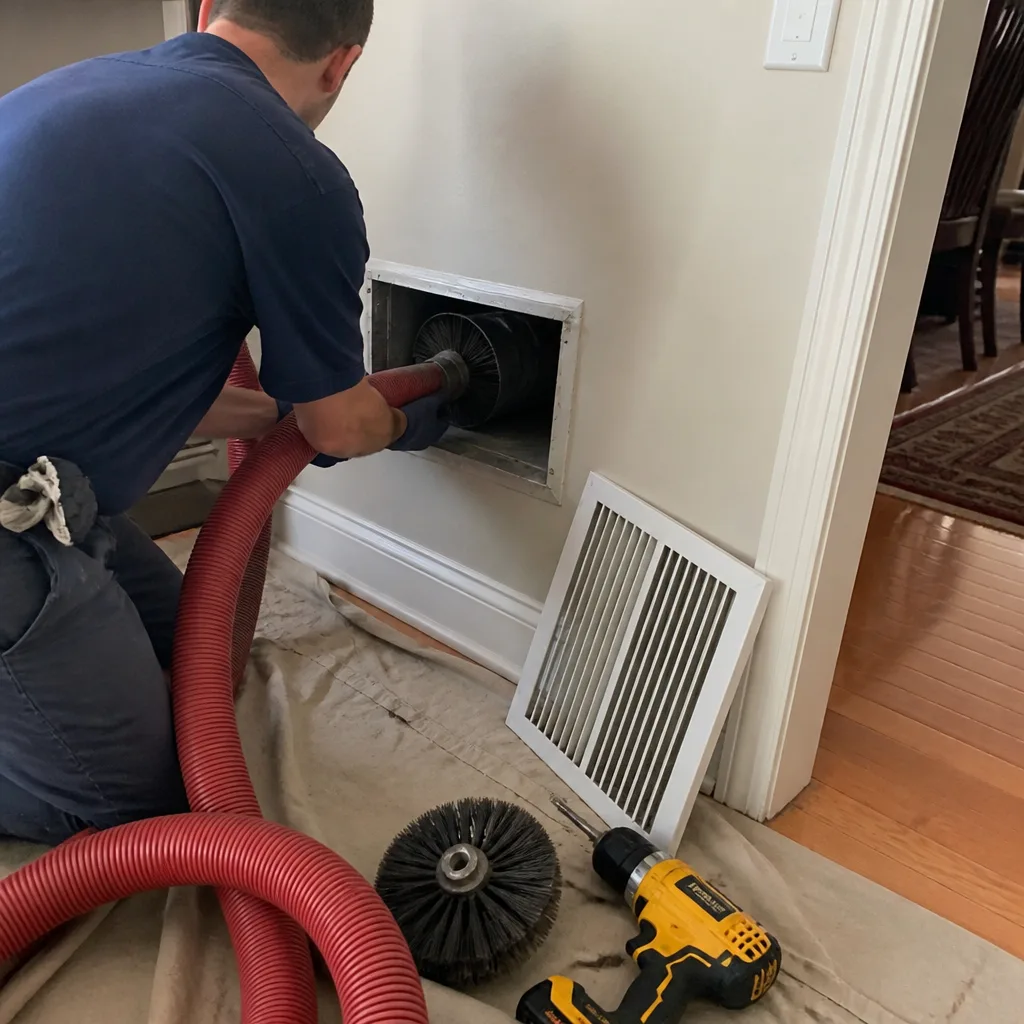 After
After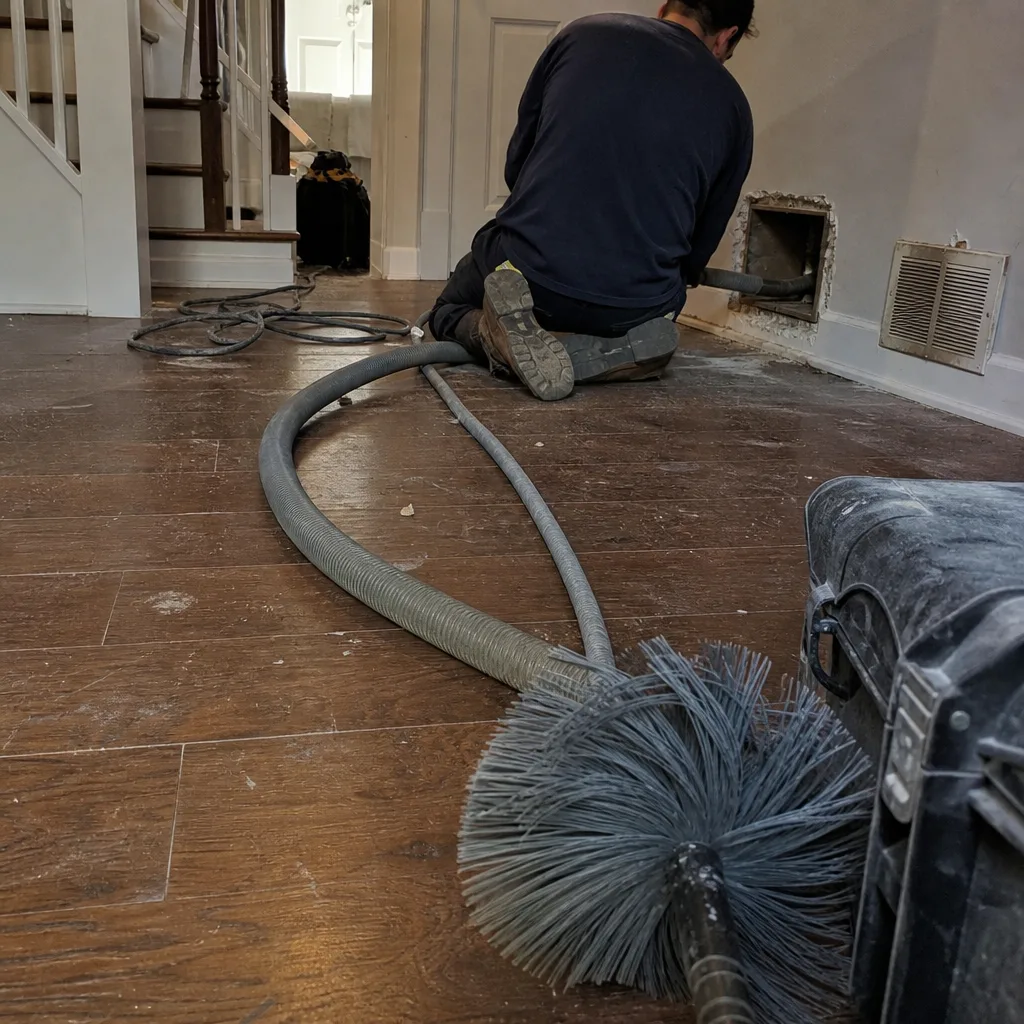 Before
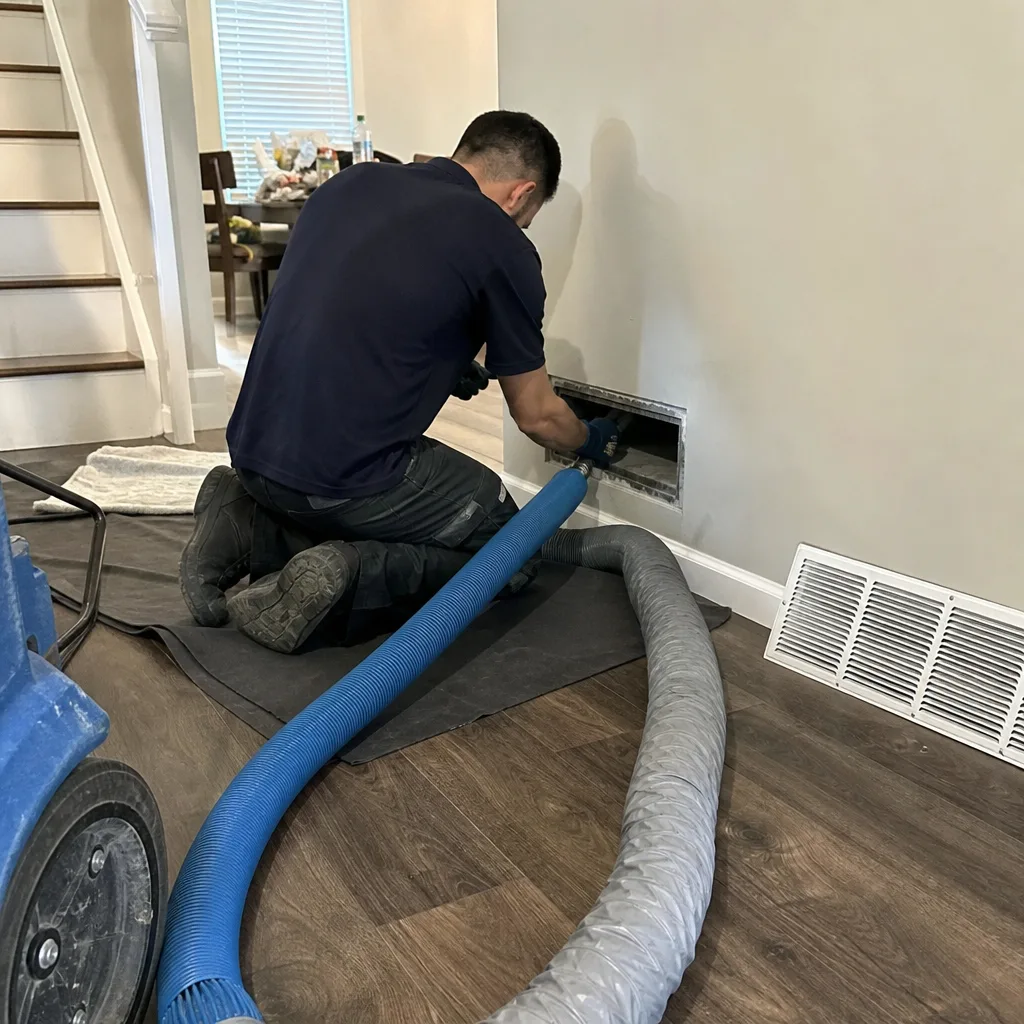 After
After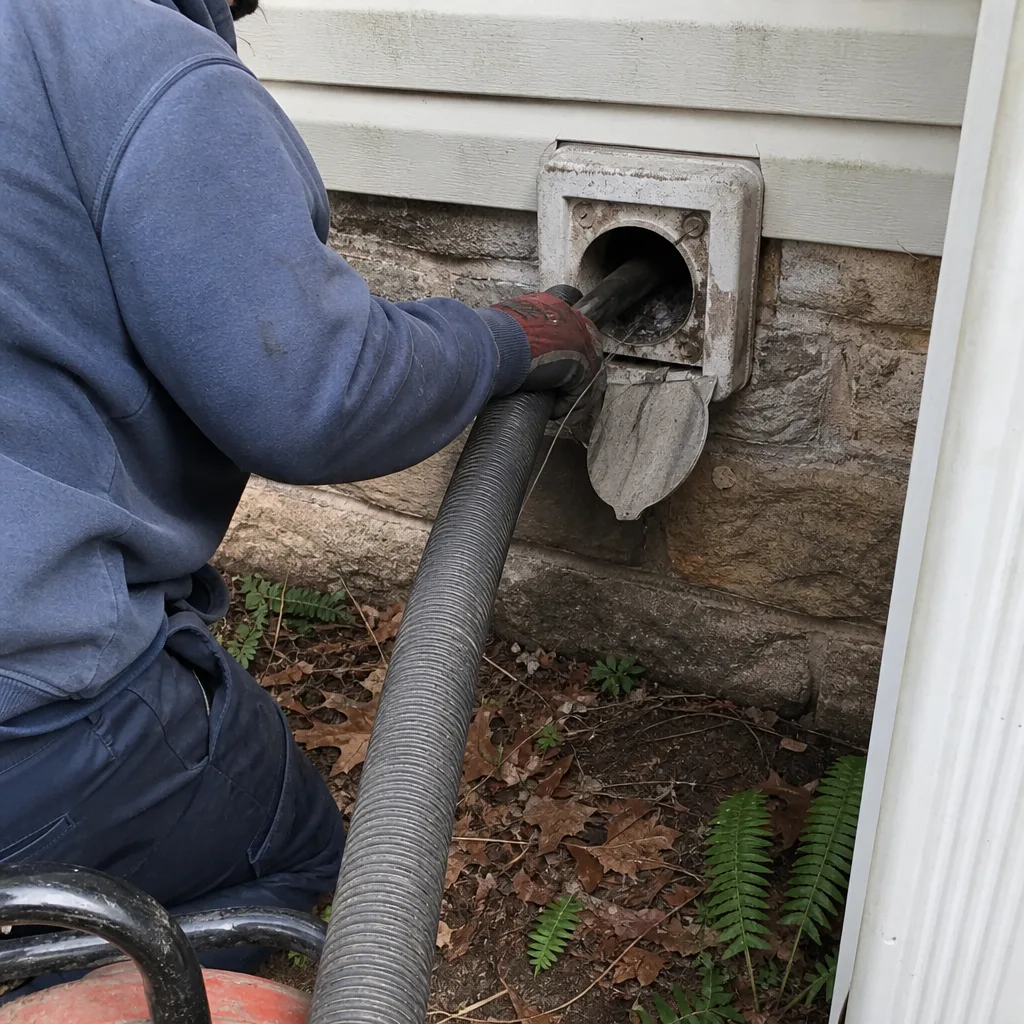 Before
 After
AfterAir Duct Cleaning Permits, Codes & Inspections in MD: What You Need to Know
Here’s the distinction that catches most Rockville homeowners off guard: air duct cleaning itself requires no permit in Maryland, but the repairs that cleaning often reveals frequently do. In 2019, a homeowner in the Twinbrook neighborhood sold her 2016-built townhome only to learn that a duct sealing job performed during a routine cleaning three years prior had never been permitted. The buyer’s inspector flagged it. The sale stalled for eleven days while a Master HVAC contractor retroactively pulled the permit and the work was reinspected. The cleaning company had been long gone, and the invoice described only “duct cleaning with minor repair.” That invoice is still in her file. She keeps it as a reminder.
This guide-along with our Complete Guide to Air Duct Cleaning in Rockville-maps exactly where the permit line sits in Montgomery County. You’ll learn which duct cleaning tasks are legally unrestricted, which require a licensed HVAC contractor and a pulled permit, how to verify credentials in under three minutes, and what paperwork to keep so your home’s mechanical history is complete at resale.
Quick Answer
Air duct cleaning in Maryland does not require a permit because it is considered maintenance, not modification. However, duct sealing, plenum repairs, access panel installation, flex duct reconnection, and any work that alters airflow design or involves refrigerant lines requires a Master HVAC license and a permit pulled through Montgomery County DPIE. The homeowner, not the contractor, bears the burden of unpermitted work at resale.
Table of Contents
- Where Cleaning Ends and Construction Begins
- Maryland HVAC Licensing: Who Can Legally Do What
- Montgomery County DPIE: How Permits Actually Work
- The Repairs That Routinely Follow a Cleaning
- Mold in Ductwork: Remediation Rules and Realities
- The Paper Trail That Protects You at Resale
- How to Verify a Contractor’s License in 3 Minutes
- How CleanRun Handles Permits and Documentation
 Before
 After
AfterWhere Cleaning Ends and Construction Begins
The Maryland Department of Labor and Montgomery County DPIE draw a sharp line between maintenance and mechanical alteration. Understanding this line saves you from disclosure headaches later.
Cleaning and maintenance (no permit required):
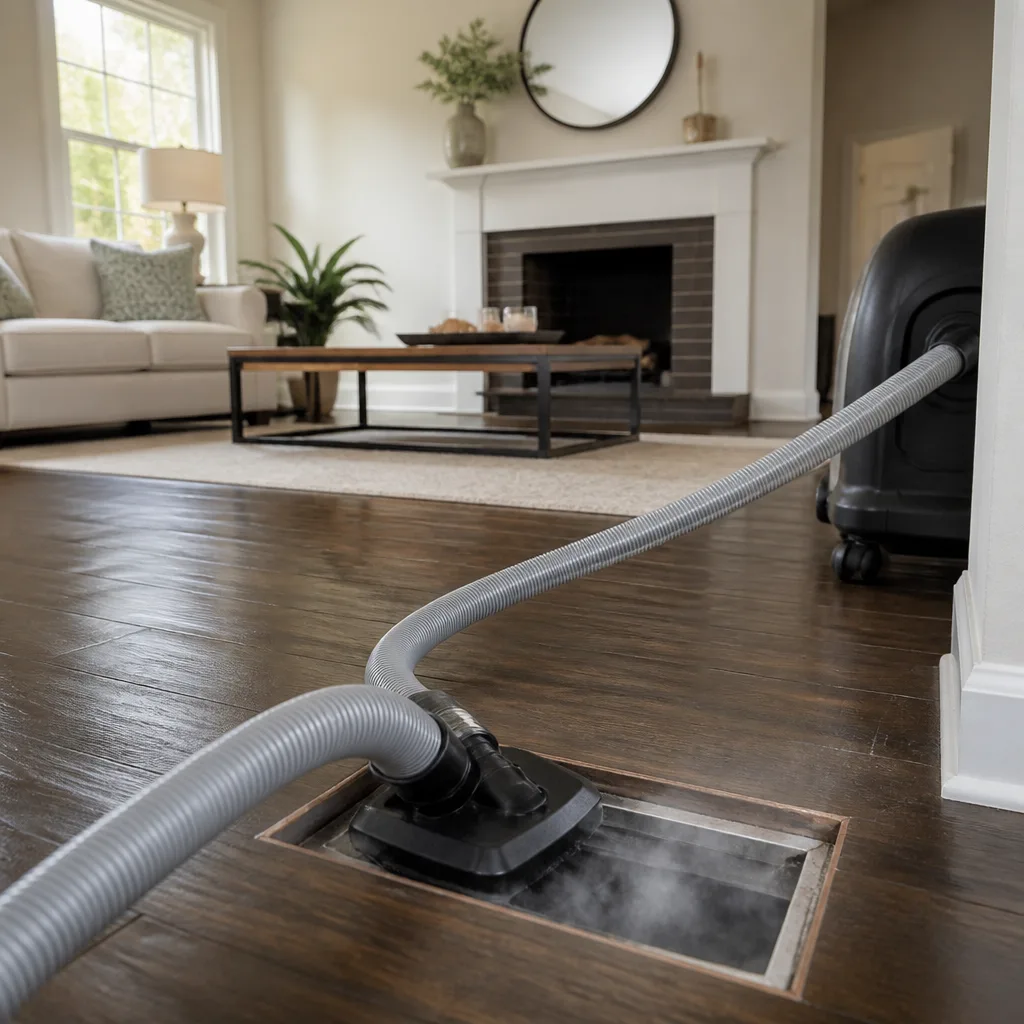
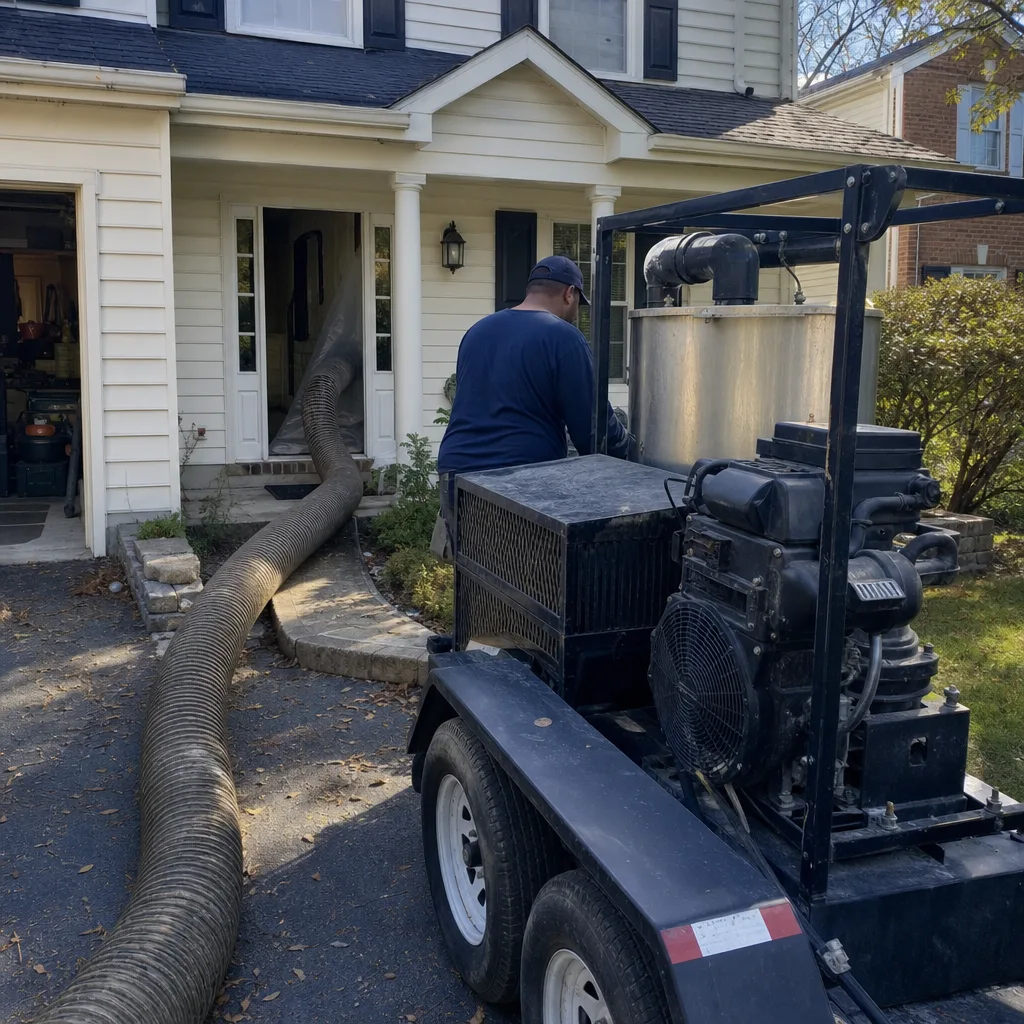
- Negative-pressure extraction of debris from existing duct runs
- Register and grille removal for access and cleaning
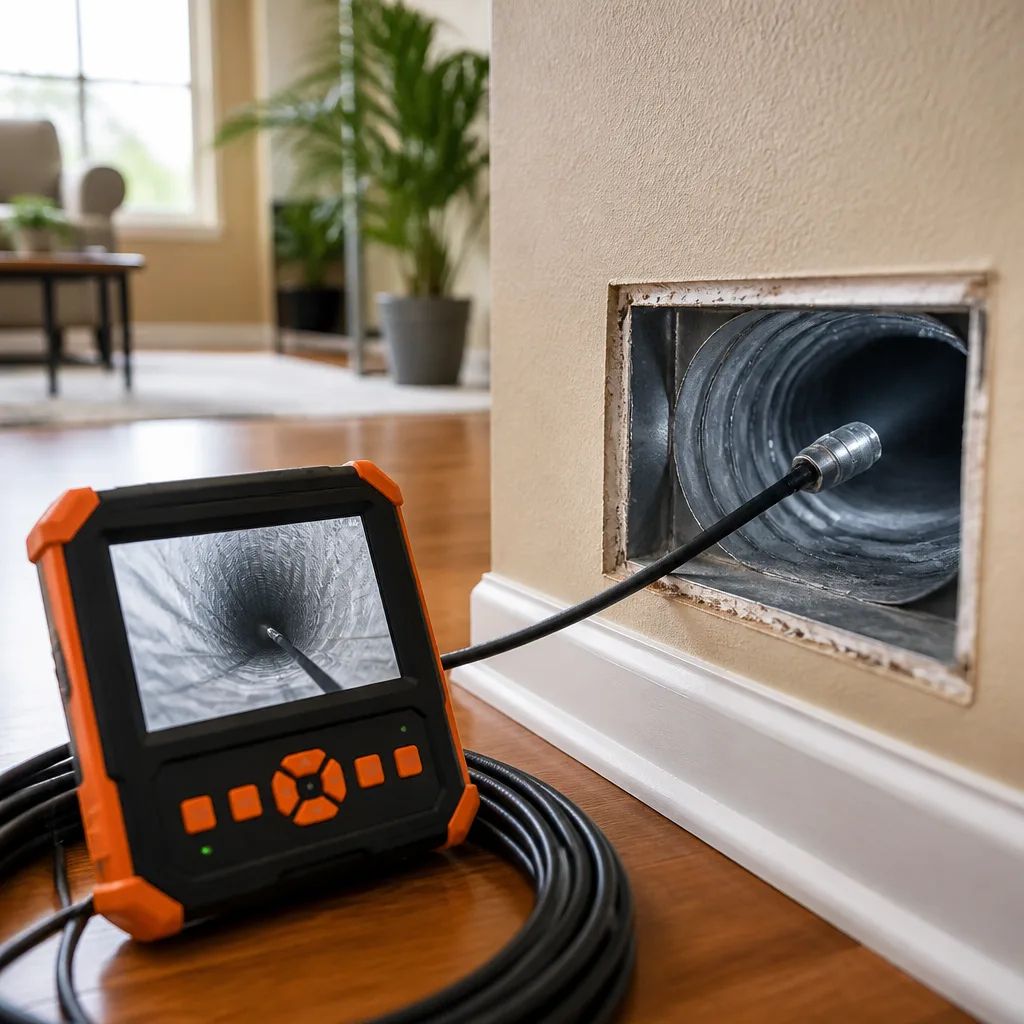
- Visual inspection with borescope or camera
- Application of EPA-registered sanitizers to existing surfaces
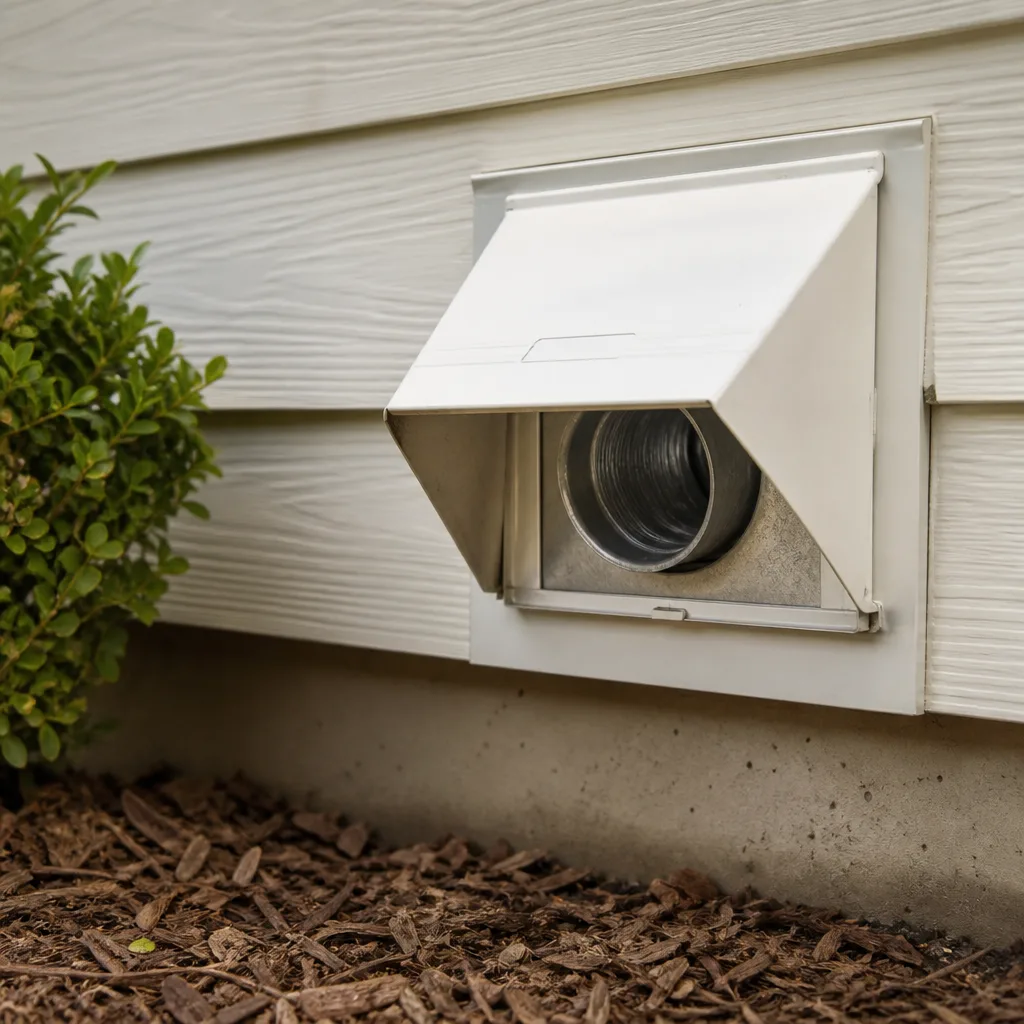
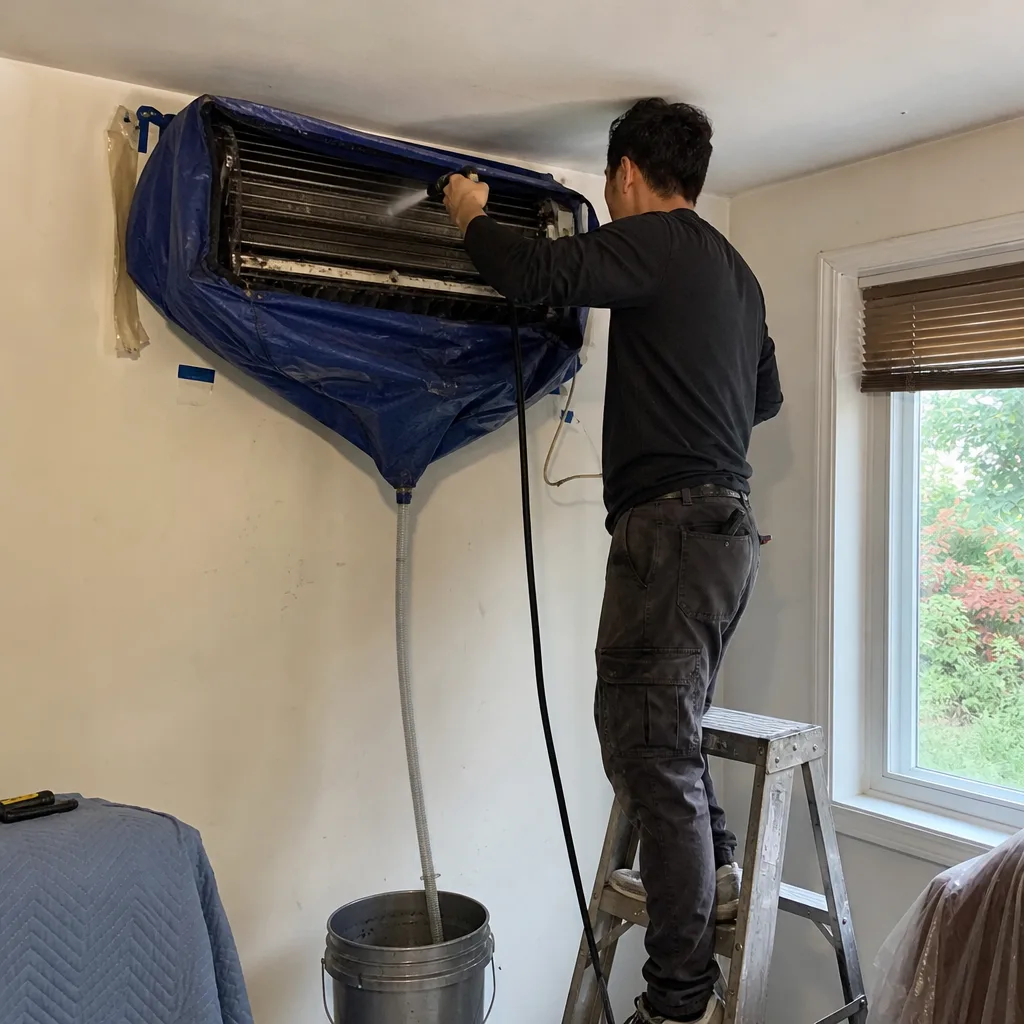
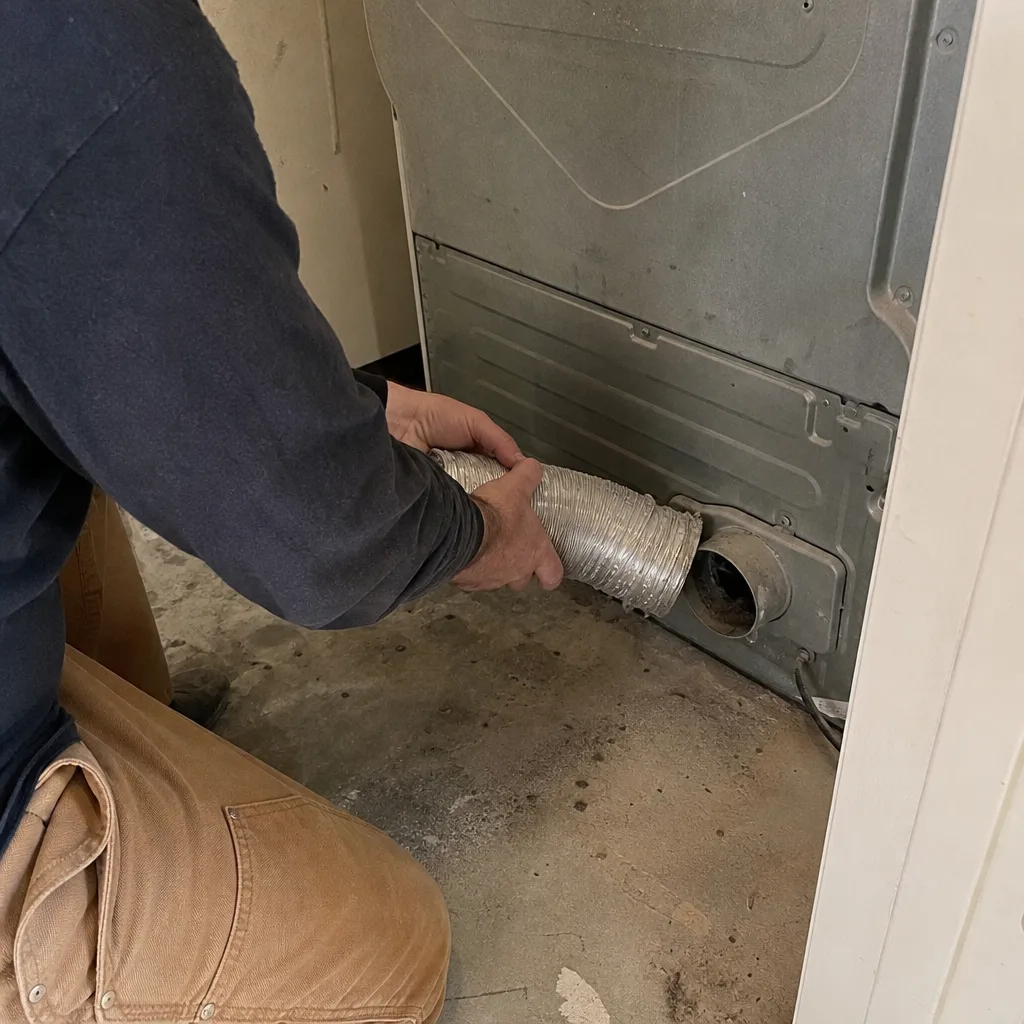
- Dryer vent cleaning from termination to appliance connection
Mechanical alteration (permit required):
- Sealing disconnected or leaking duct joints with mastic, tape, or aerosol sealant
- Installing new access panels in plenums or trunk lines
- Reconnecting detached flex duct or replacing damaged sections
- Modifying duct sizing, routing, or register locations
- Any work involving refrigerant lines, combustion venting, or heat exchangers
The trap is semantic. A technician says they’ll “fix that loose connection while we’re in there.” The homeowner hears maintenance. DPIE hears mechanical work on a pressurized distribution system. In Rockville’s 20850 and 20852 ZIP codes, where townhomes built between 2005 and 2015 often have flex duct degradation from attic temperature swings, this distinction comes up constantly. We’ve photographed disconnected flex duct in the attics of homes on Chapman Avenue and Baltimore Road where the homeowner was told the reconnection was “just part of the air duct cleaning.”
Montgomery County’s climate accelerates the problem. Summer attic temperatures in Rockville regularly exceed 130°F. Flex duct adhesive degrades. Connections loosen. A cleaning technician with good intentions reconnects a fallen duct. Without a permit, that repair exists in no official record. When the home sells and the buyer’s inspector checks the county permit database, the gap appears.
Maryland HVAC Licensing: Who Can Legally Do What
Maryland regulates HVAC work through the Department of Labor, Licensing and Regulation (DLLR). The license tiers matter for duct work.
Master HVAC License
Required for: installing, altering, or repairing any part of a heating, ventilation, or air conditioning system. This includes duct modifications, sealing that changes system airflow, and any work on plenums or trunk lines. A Master licensee must personally supervise or perform the work. The license number must appear on all permits and contracts.
Journeyman HVAC License
Allows work under Master supervision. Cannot pull permits independently. Cannot sign off on inspections.
No HVAC License
Duct cleaning technicians fall here unless individually licensed. They may perform cleaning, inspection, and sanitation. They may not seal, repair, modify, or install. Many cleaning companies employ technicians with no HVAC license at all. This is legal for cleaning. It becomes illegal the moment a wrench turns on a duct connection.
The DLLR maintains a public license lookup. We’ll walk through exact verification steps in a later section.
Here’s where Rockville’s market gets complicated. The Washington suburbs have a high density of HVAC companies that also offer duct cleaning, and cleaning companies that subcontract repairs to licensed HVAC contractors. Both models can work. Both can fail. The failure mode is identical: the cleaning technician performs repair work without a Master licensee present, or the subcontractor relationship is so loose that no permit gets pulled and no inspection occurs.
In our experience serving Rockville since 2013, the most common violation we’ve encountered is aerosol duct sealing performed by cleaning technicians. The equipment is portable. The process looks like cleaning. But aerosol sealant changes duct leakage rates, alters system airflow, and in Montgomery County’s interpretation, constitutes mechanical modification requiring a permit and Master HVAC supervision.
Montgomery County DPIE: How Permits Actually Work
Montgomery County’s Department of Permitting Services (DPIE) handles HVAC permits through its Mechanical/Electrical section. The process is more involved than most homeowners expect.
Step-by-step: pulling a mechanical permit in Montgomery County
- Application submission. The Master HVAC licensee or an authorized agent submits a mechanical permit application through DPIE’s online portal or in person at 255 Rockville Pike, Suite L-1. The application requires: property address, scope of work, estimated value, and the Master’s license number.
- Plan review. For duct modifications affecting airflow design, DPIE may require a sketch or load calculation. Simple repairs (reconnecting existing flex duct, sealing accessible joints) often pass over-the-counter.
- Fee payment. Based on job value. Minimum fees apply. Payment is due before permit issuance.
- Permit issuance and posting. The permit must be posted on-site before work begins. DPIE inspectors verify this.
- Inspection scheduling. Upon completion, the contractor schedules inspection. For duct sealing, this typically means visual inspection of accessible work and pressure testing if the system was modified.
- Final approval. DPIE records the approved permit in the county database. This record transfers with the property and appears in title searches.
The entire process, from application to final, typically takes 5-10 business days for straightforward repairs. Rush inspections are available for a fee. In Rockville’s competitive real estate market, where homes in neighborhoods like Fallsmead and Woodley Gardens often sell within two weeks, a 5-day permit delay is manageable; see Air Duct Cleaning Warning Signs: A Rockville Homeowner’s Reference Guide for when to spot trouble early. An unpermitted repair discovered at inspection is not.
DPIE’s enforcement is complaint-driven and resale-triggered. They do not patrol neighborhoods for unpermitted duct work. But when a buyer’s inspector notes a new access panel with no corresponding permit, or when a home energy audit reveals duct sealing that altered system static pressure without documentation, the inquiry begins. The homeowner, not the contractor, receives the correction notice.
The Repairs That Routinely Follow a Cleaning
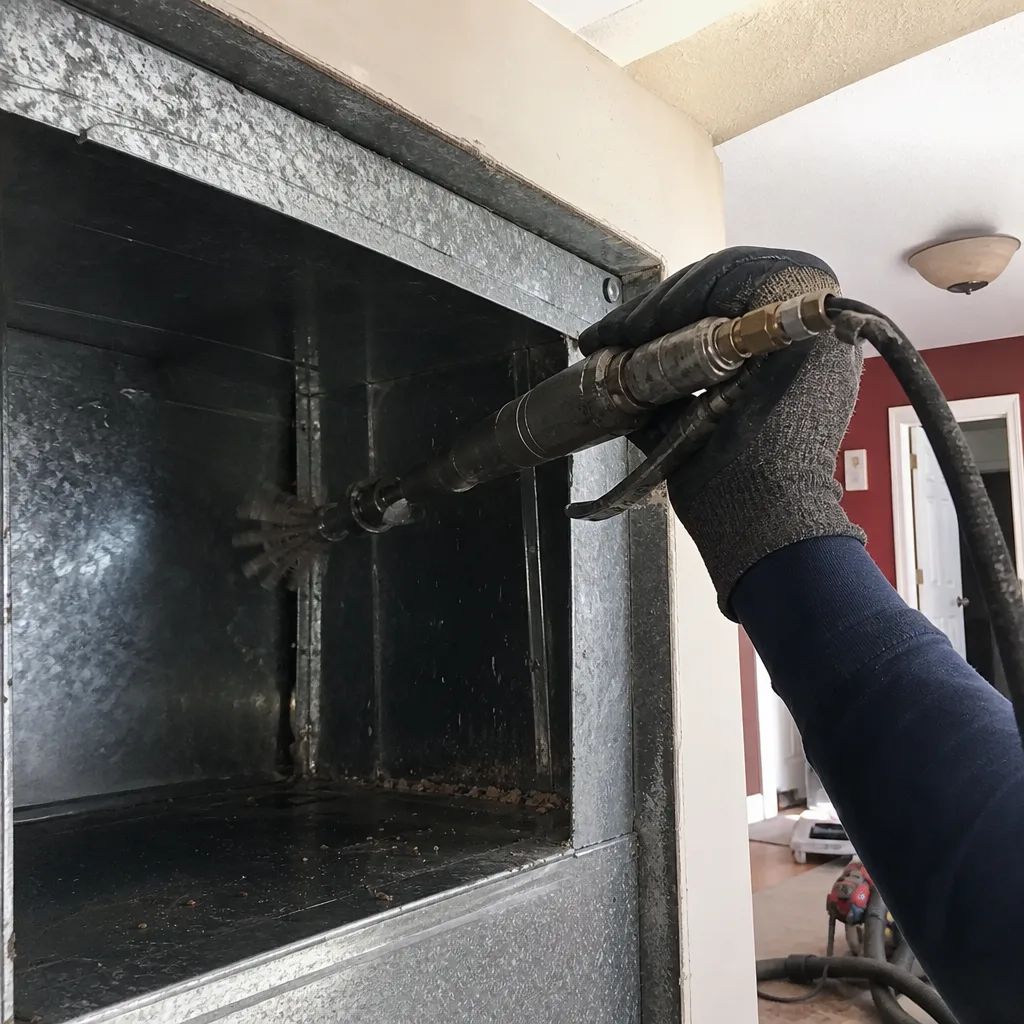
Every air duct cleaning in Rockville we perform includes a documented photo record of every duct run. That record often shows conditions that need attention beyond cleaning. Here are the specific repair categories, what triggers a permit, and what doesn’t.
Duct sealing with mastic or foil tape
Spot-sealing accessible leaks at joints and connections is generally considered maintenance if the work does not alter system design or airflow. However, Montgomery County DPIE has interpreted extensive sealing, particularly when it changes measured duct leakage, as mechanical modification requiring a permit. The line is fuzzy. Our practice: if sealing exceeds five linear feet of joint or involves the plenum, we flag it for Master HVAC evaluation and permit consideration.
Plenum access panel installation
Always requires a permit. The plenum is a pressure vessel. Cutting into it changes structural integrity and airflow distribution. We’ve seen cleaning companies install access panels in Rockville attics to reach interior ductwork, then describe the work as “cleaning access” on the invoice. DPIE considers this mechanical alteration. The permit record must exist.
Flex duct reconnection or replacement
Disconnected flex duct is epidemic in Rockville homes with attic installations, particularly in the 20850 corridor where 1990s and 2000s construction used lower-grade flex. Reconnection requires a permit. Replacement of damaged sections requires a permit. The only exception: temporary support to prevent further disconnection during cleaning, with explicit notation that permanent repair requires licensed HVAC work.
Register relocation or resizing
Always requires a permit. Changes room airflow, affects system balance, and may require load calculation.
UV light or electronic air cleaner installation
Electrical work requires an electrical permit. Mounting in the duct stream may require mechanical permit depending on location. Most installations need both.
In our Rockville work, we’ve documented these conditions with before-and-after photography since 2013. The photo record protects the homeowner and us. When our camera shows a disconnected trunk line in a Potomac Woods home, the customer sees the condition. We explain: cleaning can proceed, but reconnection requires a Master HVAC contractor and permit. No ambiguity. No surprise invoices. No unpermitted work hidden in a “cleaning” charge.
Mold in Ductwork: Remediation Rules and Realities
Mold found during duct cleaning triggers a separate regulatory layer that confuses many Rockville homeowners. Maryland does not license “mold remediation” as a standalone profession. The state does regulate asbestos abatement and lead renovation. Mold falls into a gap.
What Maryland actually requires:
- Asbestos-containing materials: licensed abatement contractor if disturbed
- Lead-based paint: EPA RRP certification for pre-1978 housing
- Mold: no specific license, but work must comply with Maryland Indoor Air Quality standards and OSHA worker protection rules
The absence of a mold license means anyone can claim to remediate mold in your ducts. This is where documentation becomes critical. A legitimate mold response includes: laboratory identification of the species (not “black mold” guessed from color), source moisture elimination, mechanical removal of contaminated material, and post-remediation verification. “Fogging” or “ozone treatment” without removal is not remediation. It is cleaning with a different machine.
In Rockville’s humid summers, we regularly find mold in ductwork beneath bathroom exhausts and above crawl spaces. The camera shows it. We photograph, explain the finding, and recommend next steps. If the contamination is surface-only and the moisture source is resolved, cleaning with EPA-registered sanitizer may suffice. If material is degraded or contamination is extensive, we recommend evaluation by an industrial hygienist and repair by a contractor equipped for containment and removal.
We do not perform mold remediation. We document what we find and refer to qualified professionals. This boundary protects our customers from incomplete work and protects CleanRun from practicing outside our scope. Haven Standard Clause 4: Scope Integrity. We do what we do. We don’t pretend to do what we don’t.
The Paper Trail That Protects You at Resale
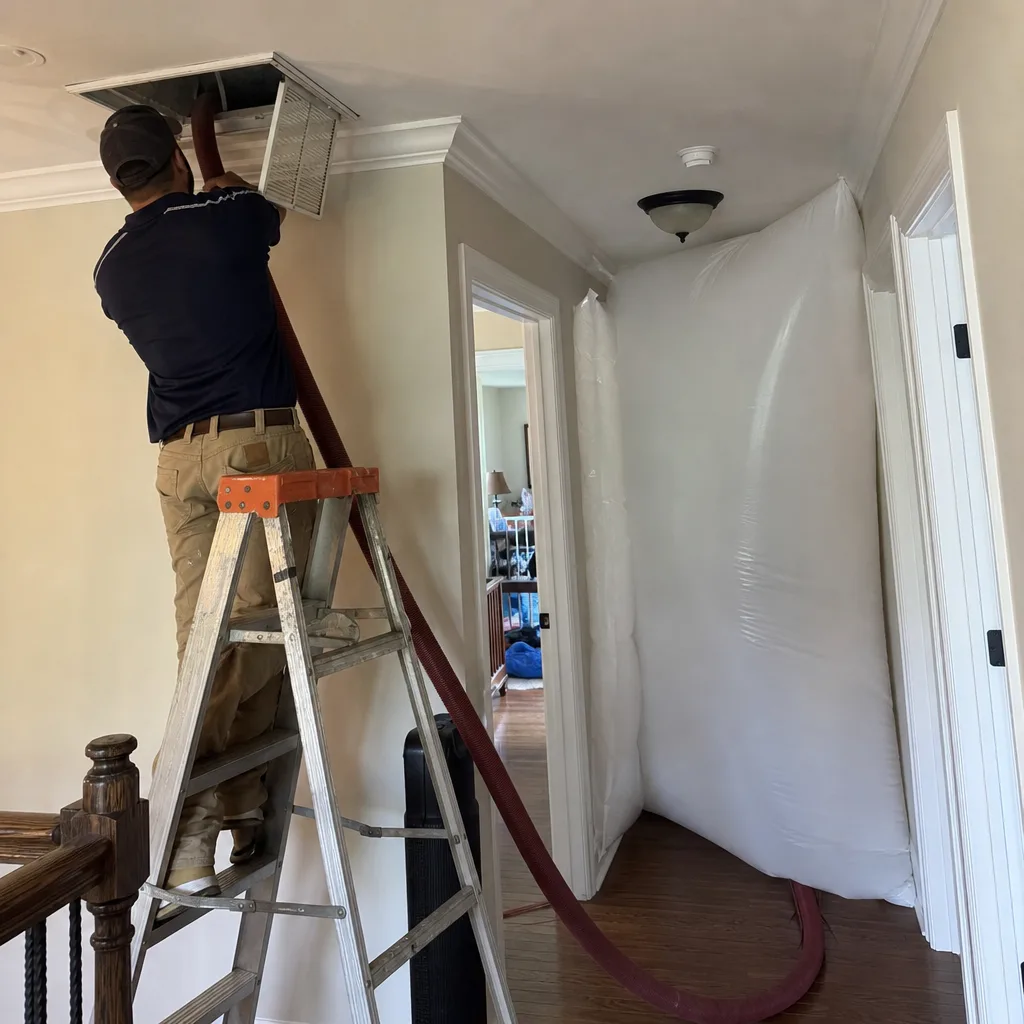
Montgomery County maintains a permanent permit database. Title companies search it. Buyer’s inspectors reference it. A gap between visible work and permit records is a red flag that can delay or derail a sale.
The file every homeowner should keep:
- Original invoice with itemized scope: cleaning, inspection, any repairs, materials used
- Scope of work document describing exactly what was done, in what locations, by whom
- Permit application and approval if any mechanical work was performed
- Inspection sign-off from DPIE or applicable authority
- Before-and-after photographic record of duct interiors
- Contractor license verification screenshot or printout
- Warranty or guarantee documentation
For Rockville homeowners who bought between 2015 and 2025, this file is especially important. Your home was likely purchased at peak market value. Future buyers will scrutinize more carefully. A complete mechanical history, with permits matching visible work, signals responsible ownership. Gaps signal risk.
We deliver a documented photo record on every visit as standard. Not as an upsell. Not as a “premium package.” Every customer receives before-and-after images of every duct run, with timestamps and location labels. This practice, held since our first Rockville job in 2013, means our customers already have photographic evidence in their files. When they later sell, they can show exactly what was cleaned and when.
The written price before work starts, required by Haven Standard Clause 1, produces another document: the agreed scope. No verbal estimates that shift after the truck arrives. No “we found more than expected” surprises. The scope in writing, the price in writing, the photos showing completion. This triad is defensible at resale in ways that a $79 coupon invoice never is.
How to Verify a Contractor’s License in 3 Minutes
Maryland makes license verification public and free. Here’s the exact process.
Step 1: Access the DLLR lookup
Go to DLLR HVAC License Search. No account required.
Step 2: Search by name or license number
Enter the contractor’s name or the license number they provided. If they won’t provide a license number, stop. This is non-negotiable for mechanical work.
Step 3: Verify active status and classification
The results show: license number, holder name, business name, issue date, expiration date, and status. Confirm “Active” status. Confirm “Master HVAC” classification for permit-eligible work. Journeyman licenses are valid for work under Master supervision but cannot pull permits independently.
Step 4: Cross-check with Montgomery County
DPIE maintains a separate contractor registration database. A Master HVAC license alone does not guarantee county registration. Both are required for permit issuance in Montgomery County.
Step 5: Document your verification
Screenshot or print the results. File with your project records. If work goes wrong, this verification proves you performed due diligence.
In Rockville’s service market, we’ve encountered technicians representing themselves as “certified” or “licensed” when they hold only a business license or a manufacturer training certificate. These are not HVAC licenses. The DLLR lookup exposes the distinction in seconds. We publish our license status openly and encourage verification. Haven Standard Clause 3: Verified Crews. Background-checked, uniformed, identified by name before arrival. The license number is available on request and appears on all documentation.
How CleanRun Handles Permits and Documentation
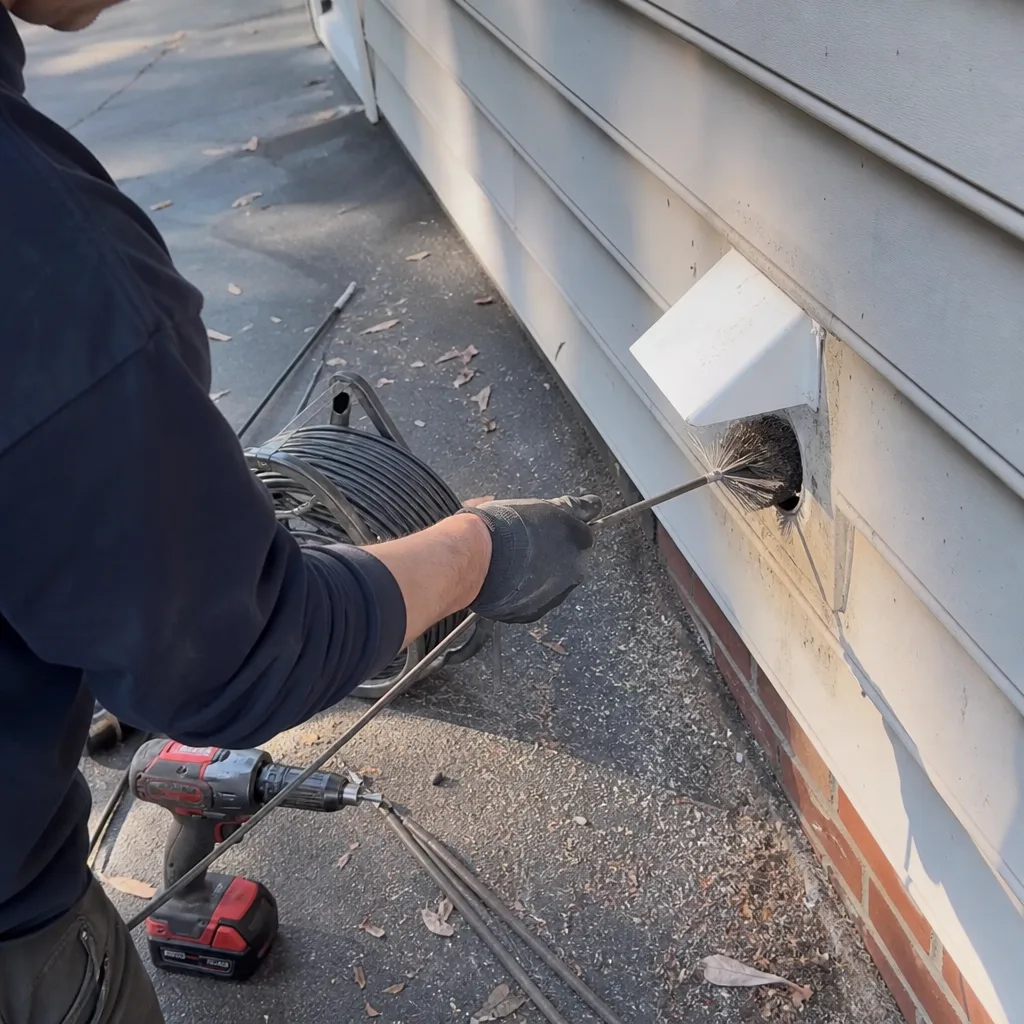
Our approach is shaped by twelve years of Rockville work and the H.A.V.E.N. Standard that governs every job.
When our technicians, equipped with Rotobrush and Nikro negative-pressure systems, encounter conditions requiring mechanical repair, the process is specific:
- Photograph the condition. The camera shows the customer exactly what we found.
- Explain the boundary. Cleaning can proceed. Repair requires a Master HVAC contractor and permit. We do not blur this line.
- Provide referral or coordinate. We maintain relationships with licensed Master HVAC contractors in Montgomery County. We can recommend, or the customer may select their own.
- Document everything. The cleaning invoice describes only cleaning. Any repair work appears on separate documentation from the licensed contractor, with permit numbers referenced.
- Deliver the photo record. Before-and-after images of every duct run, included standard, with timestamps proving what was cleaned and what was not.
This separation protects our customers from unpermitted work buried in a cleaning charge. It protects their resale position. It protects CleanRun from scope creep and liability.
Our equipment roster, including Honeywell and Aprilaire air quality components, is used within our licensed scope. We name these brands so customers can verify specifications independently. We make no performance claims beyond manufacturer documentation.
The 365-Day Done Right Promise applies to our cleaning work. If debris remains, if access panels we touched are loose, if the photo record does not match the work described, we return and correct. This is a written guarantee, not a policy subject to manager discretion. It appears on every invoice.
For mechanical repairs beyond our scope, the Master HVAC contractor’s warranty applies. We verify their license status before referral. We do not send customers to unverified operators.
Common Mistakes to Avoid
- Assuming “cleaning” covers everything. A technician who offers to “fix a few things while we’re in there” may be performing unpermitted mechanical work. Ask explicitly: does this require a permit? Will a Master HVAC licensee perform it?
- Accepting verbal scope descriptions. Every task should appear in writing on the invoice or scope document. Vague language like “minor repair” or “sealed as needed” obscures permit triggers.
- Neglecting to verify the cleaning company’s insurance. General liability covers cleaning damage. It does not cover unpermitted mechanical work. Ask for certificate of insurance and note coverage limits.
- Ignoring Rockville’s specific resale pressures. Homes in the Richard Montgomery High School district, particularly 2010-2018 construction, sell quickly but inspect thoroughly. Unpermitted attic duct work is a common inspector finding.
- Confusing manufacturer training with state licensing. A technician “certified” by Rotobrush or Nikro for equipment operation is not licensed to modify your duct system. Training certificates belong on the wall. HVAC licenses belong on permits.
- Discarding old invoices. Montgomery County’s permit database goes back decades, but your personal records fill gaps. Keep everything. Organize by date. The ten minutes of filing saves ten days of sale delay.
- Hiring based on lowest price alone. The $79 duct cleaning special in Rockville typically excludes photography, excludes written scope, and often includes upsold “repairs” performed by unlicensed technicians. The true cost surfaces at resale.
When to Call a Professional
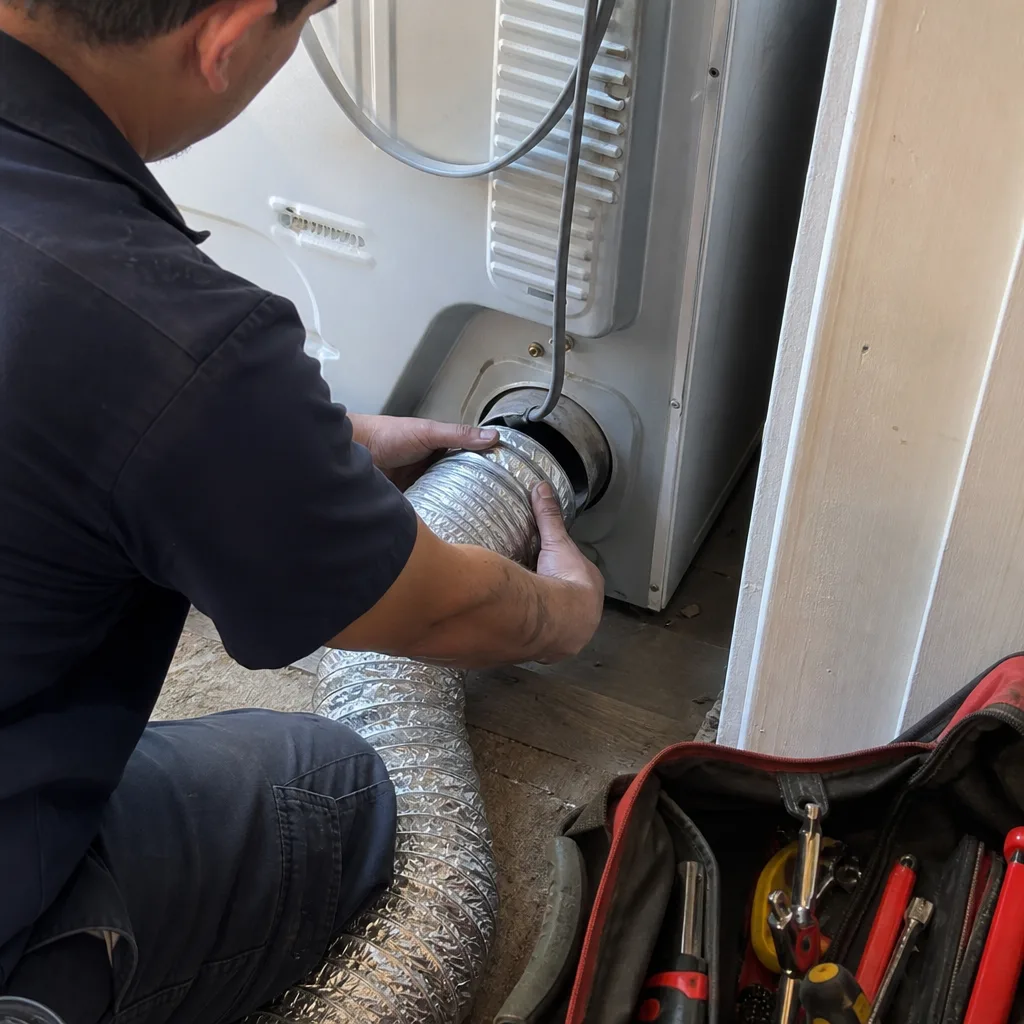
Call a Master HVAC contractor when your duct cleaning reveals disconnected ductwork, plenum damage, or conditions requiring modification. Call a cleaning specialist when you need debris extraction, sanitation, and documented inspection. Call an industrial hygienist when mold contamination is extensive or species identification is needed.
If you’re uncertain where your situation falls, CleanRun Air Duct Cleaning Rockville offers free estimates in Rockville. We’ll photograph your ductwork, explain what we find, and tell you exactly what requires a permit and what doesn’t. No charge for the assessment. Call (240) 255-4519.
Frequently Asked Questions
No. Air duct cleaning is classified as maintenance in Maryland and requires no permit. However, if the cleaning reveals conditions requiring repair, reconnection, or modification, those subsequent tasks may require a Master HVAC license and permit through Montgomery County DPIE. Call (240) 255-4519 for a free estimate that distinguishes cleaning from repair needs.
Air duct cleaning for a typical Rockville single-family home runs $400-$700 for a complete system with documented photo record. Permitted duct repairs, such as flex duct reconnection or plenum access panel installation, add $300-$800 depending on accessibility and scope, plus permit fees typically $100-$200. The total remains predictable because we provide a written price before any work starts under Haven Standard Clause 1.
Low quotes often exclude photography, exclude written scope, and plan to upsell “necessary repairs” performed by technicians without HVAC licenses. The $79 special becomes a $900 invoice once the technician is inside your home. CleanRun does not offer teaser pricing. Our written price covers the complete documented cleaning with before-and-after photos of every duct run.
Request the permit application number before work begins. Verify it through Montgomery County DPIE’s online portal after final inspection. The approved permit should appear in the county database within 48 hours of inspector sign-off. File the permit number with your home records. At CleanRun, when we coordinate repair referrals, we verify permit completion before final payment.
Most Rockville homes benefit from cleaning every 3-5 years, with shorter intervals for homes with pets, recent renovation, or occupants with respiratory sensitivity. Montgomery County’s pollen load, particularly oak and ragweed, accelerates filter and duct loading. Our documented photo record lets you see accumulation rather than guessing. If the camera shows clean ducts, we say so.
The buyer’s inspector or title search may flag the gap between visible work and permit records. Remedies include: retroactive permitting with reinspection, removal and replacement with proper permits, or sale price negotiation. All options cost more and take longer than permitting originally. The homeowner bears this burden, not the original contractor if they are unresponsive or dissolved.
The Bottom Line
Air duct cleaning in Maryland is straightforward and unpermitted. The repairs it reveals are not. The boundary between maintenance and mechanical alteration is where Rockville homeowners get caught, typically discovering the problem at resale when the gap in permit history surfaces. Protect yourself by demanding written scope, verifying licenses through DLLR, requiring permit documentation for any repair, and maintaining a complete file. The documented photo record, written price, and verified credentials that CleanRun delivers on every job since 2013 are not marketing distinctions. They are the minimum standard for accountable work.
Written by Tomas Reyes, Owner at CleanRun Air Duct Cleaning Rockville, serving Rockville since 2013.