
Last updated September 23, 2026
Whole-system duct and dryer vent check with before-and-after photos - you see exactly what came out of your vents
That "$99 whole-house special" is a bait ad - the real number appears once they are in your hallway, or the "clean" is a shop-vac at the register. We photograph the inside of your ducts before and after instead.
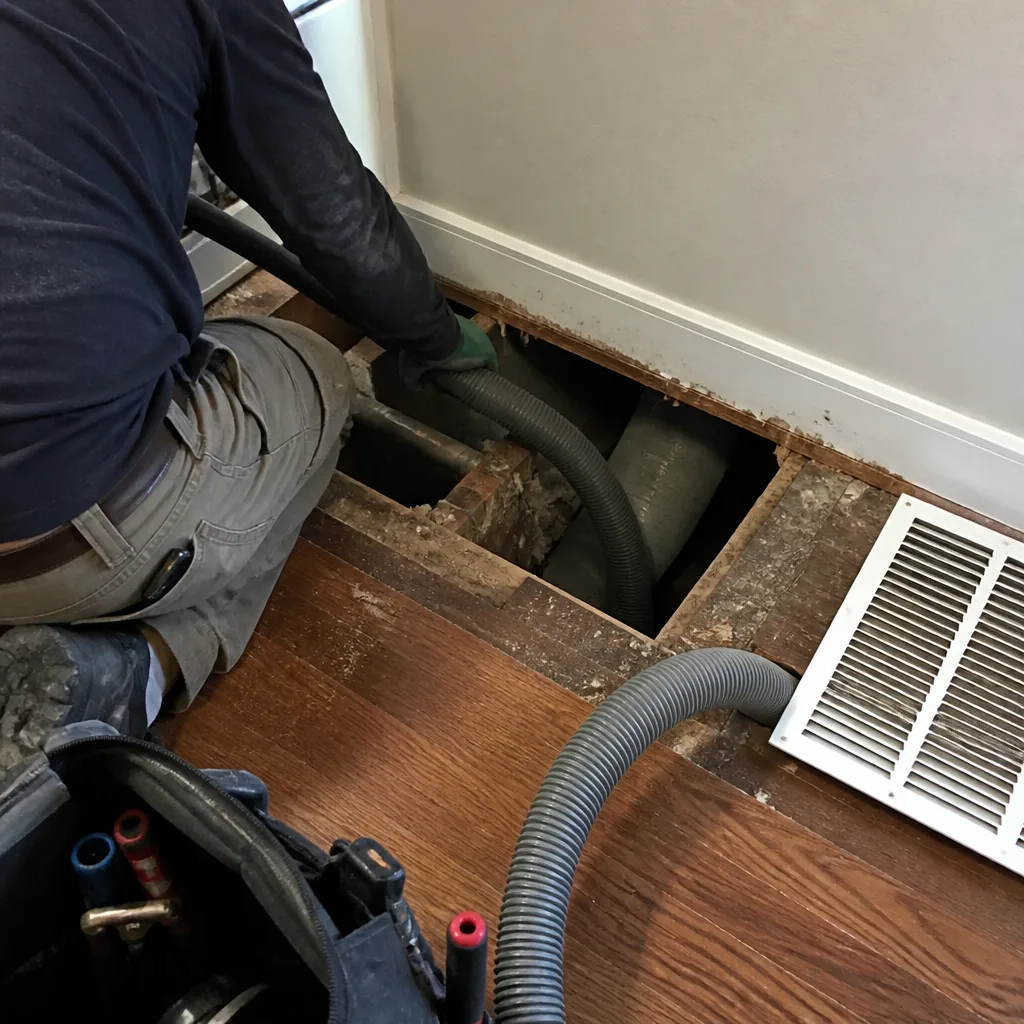 Before
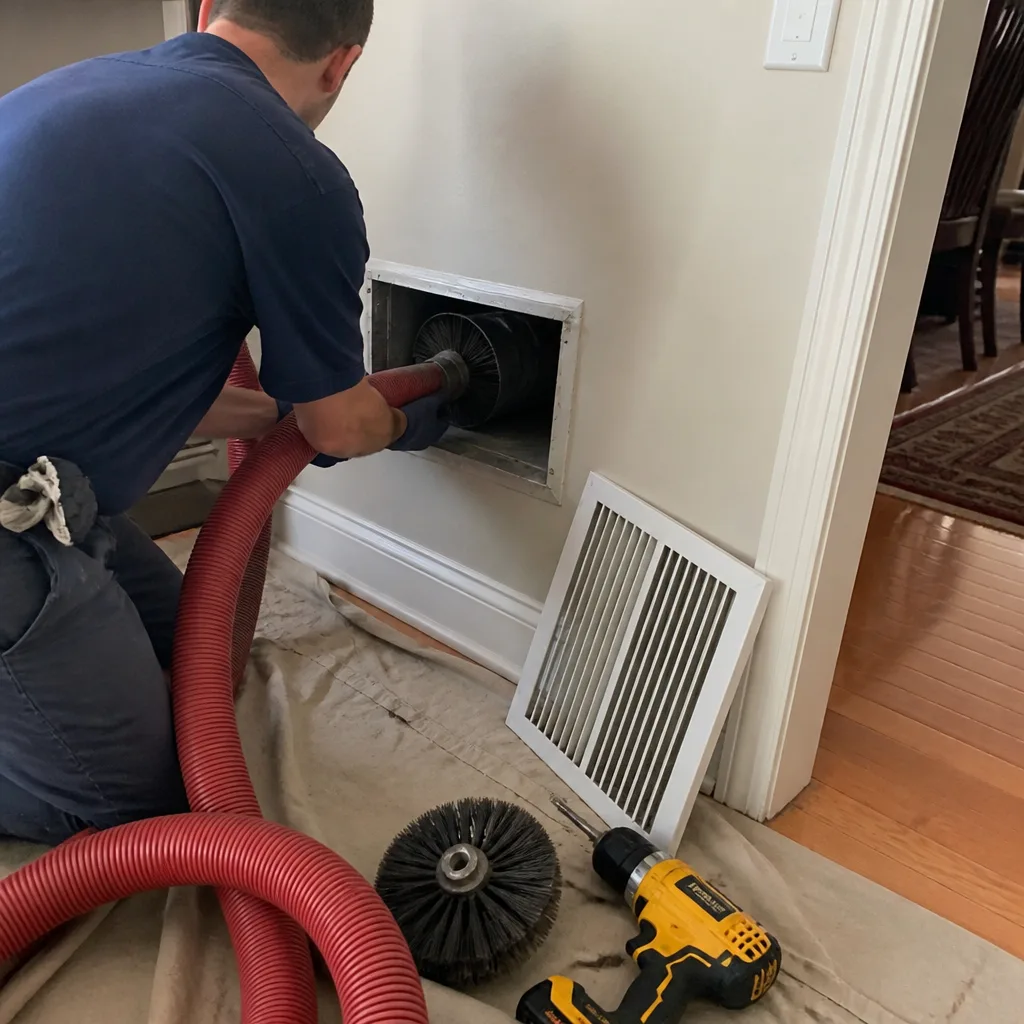 After
After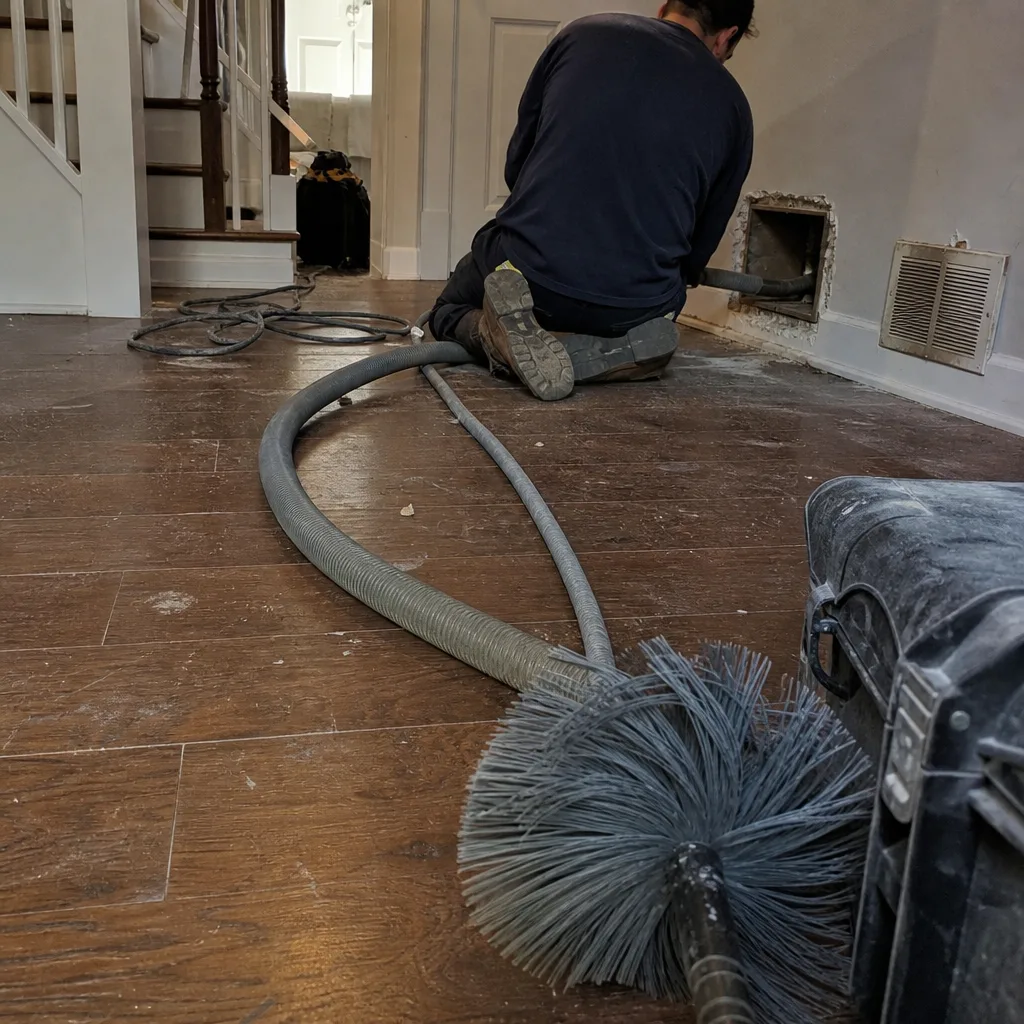 Before
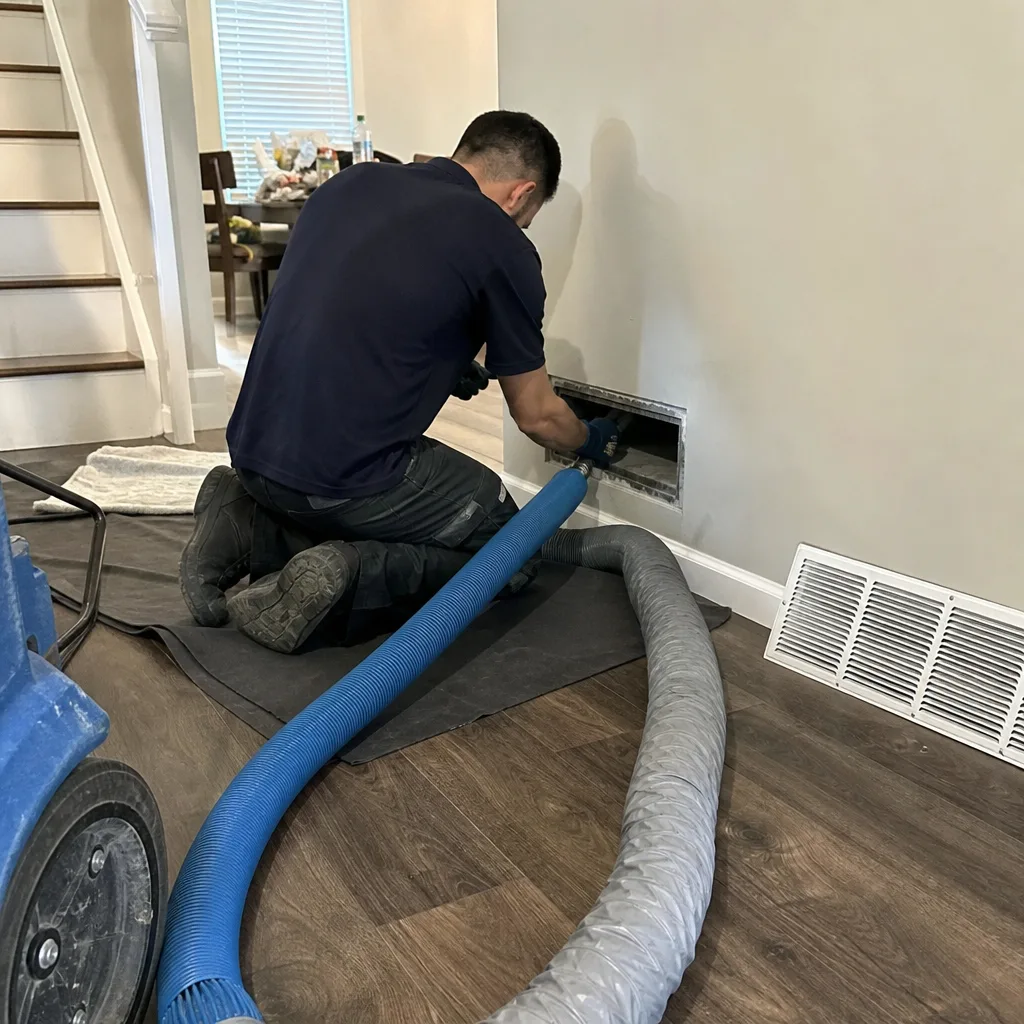 After
After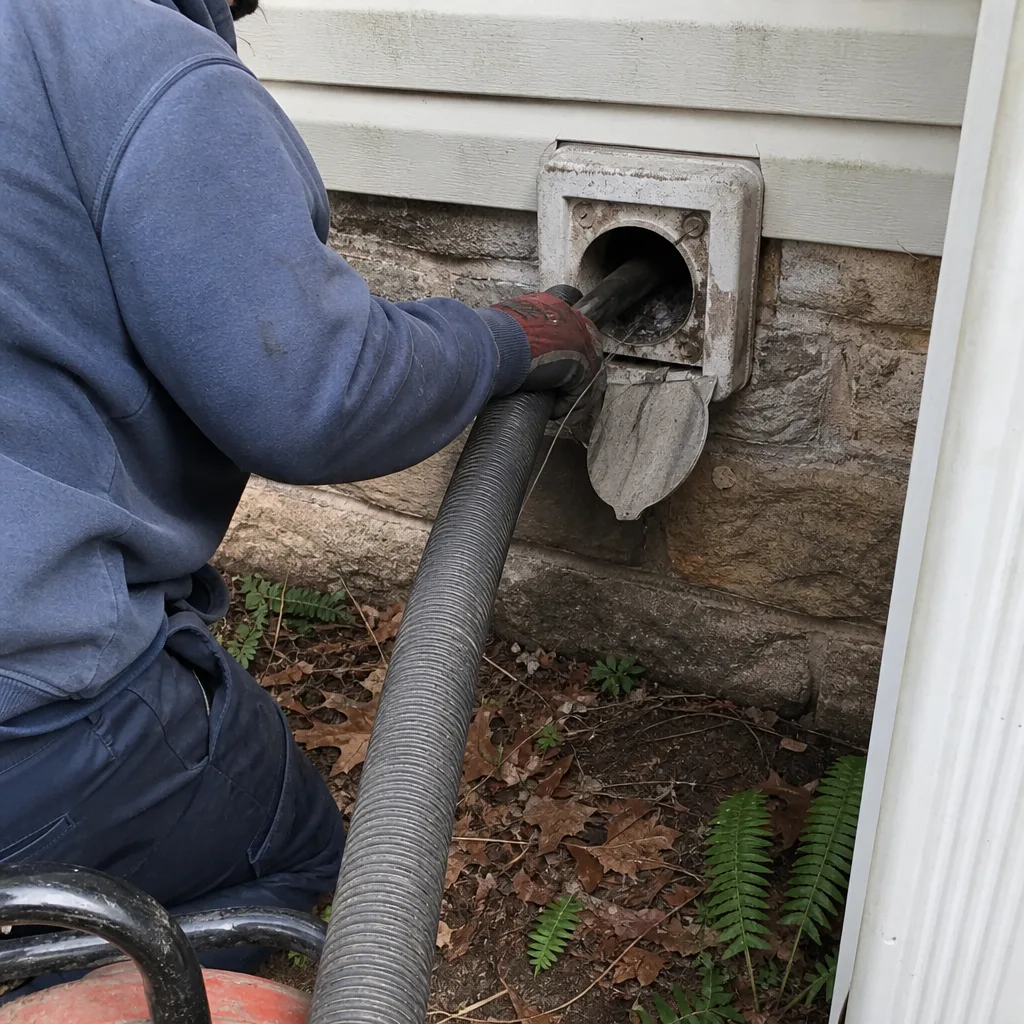 Before
 After
AfterDIY vs Professional Air Duct Cleaning: The Rockville Homeowner’s Decision Guide
A standard shop vac generates roughly 1.5 inches of water column in static pressure. Professional negative-pressure duct cleaning equipment generates 8 to 12 inches. That difference is not a marketing claim - it is the reason debris in the middle of a 25-foot trunk line stays exactly where it is when a homeowner cleans their own registers. In Rockville, where many homes built between 1960 and 1990 have galvanized steel trunk lines running 30 feet or more from the basement plenum to second-floor bedrooms, this equipment gap determines whether a cleaning actually removes debris or simply rearranges it. This guide defines exactly what consumer-grade tools can accomplish and where their physical limitations end, so you make a decision based on capability rather than confidence. For professional help, consider our Air Duct Cleaning services.
Quick Answer
Most Rockville homeowners can safely handle register cleaning, filter replacement, and visual inspection of accessible flex duct. Professional equipment becomes necessary when debris sits beyond 15 feet in rigid trunk lines, when post-renovation dust has settled in main ducts, or when mold or rodent contamination is suspected. The honest cost of a DIY attempt - equipment, time, and risk of pushing debris deeper - often approaches half the price of professional service without delivering comparable results.
Table of Contents
- What Consumer Equipment Actually Does
- What Professional Equipment Achieves
- Tasks You Can Safely DIY
- Conditions Where DIY Is Contraindicated
- The True Cost of DIY
- Using DIY Inspection to Hire Smarter
- Rockville-Specific Considerations
- Common Mistakes to Avoid
- When to Call a Professional
- Frequently Asked Questions
 Before
 After
AfterWhat Consumer Equipment Actually Does
Consumer duct cleaning tools fall into three categories, each with measurable physical limits that determine where they stop working.
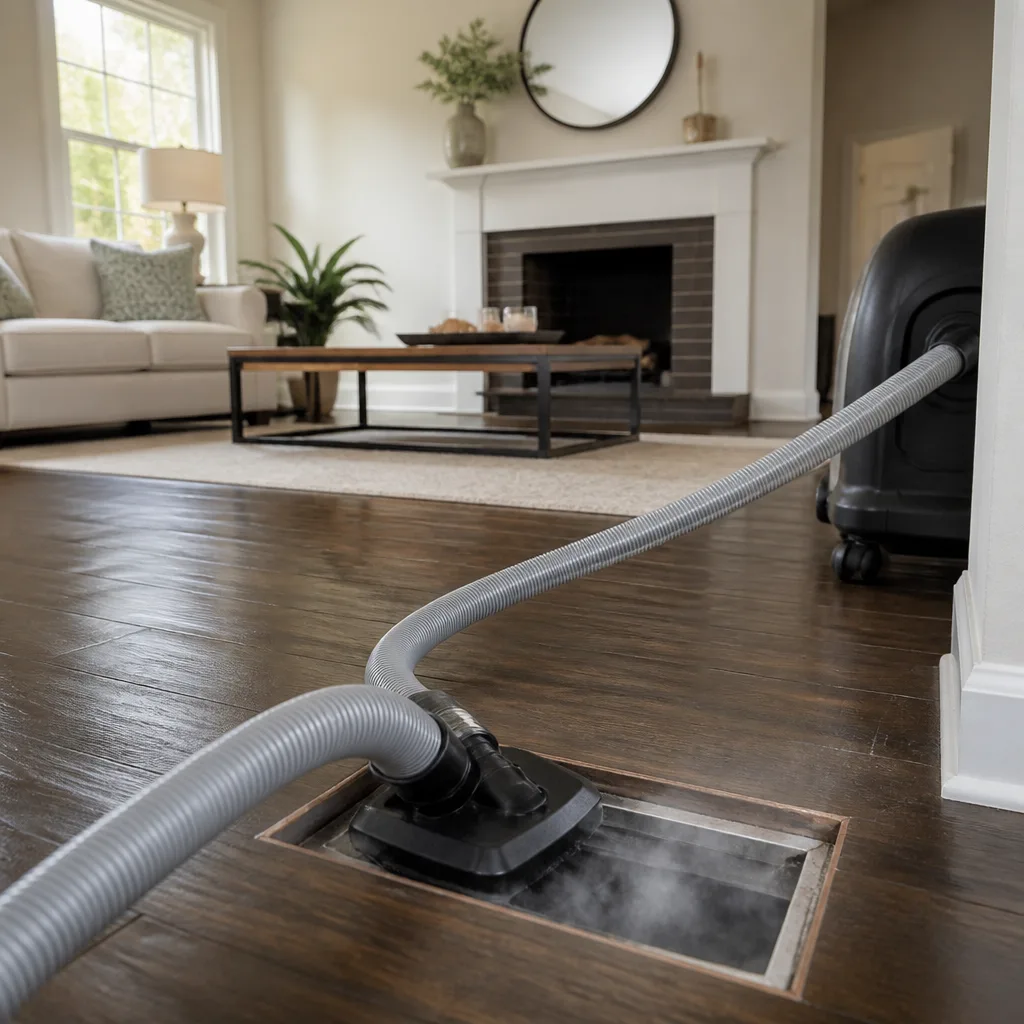
Shop vacuums are the most common starting point. A typical 5-6.5 horsepower wet/dry vac moves air at 90-110 cubic feet per minute (CFM) with static pressure around 1.5 inches of water column. That suction is sufficient to pull dust from a floor register boot - the sheet-metal box directly beneath your floor vent - and perhaps 3-5 feet into the attached branch duct if the duct is straight flex pipe. In Rockville’s older split-level homes, where branch ducts often make an immediate 90-degree turn at the boot, the effective reach drops to 2 feet or less. The debris beyond that elbow remains undisturbed.
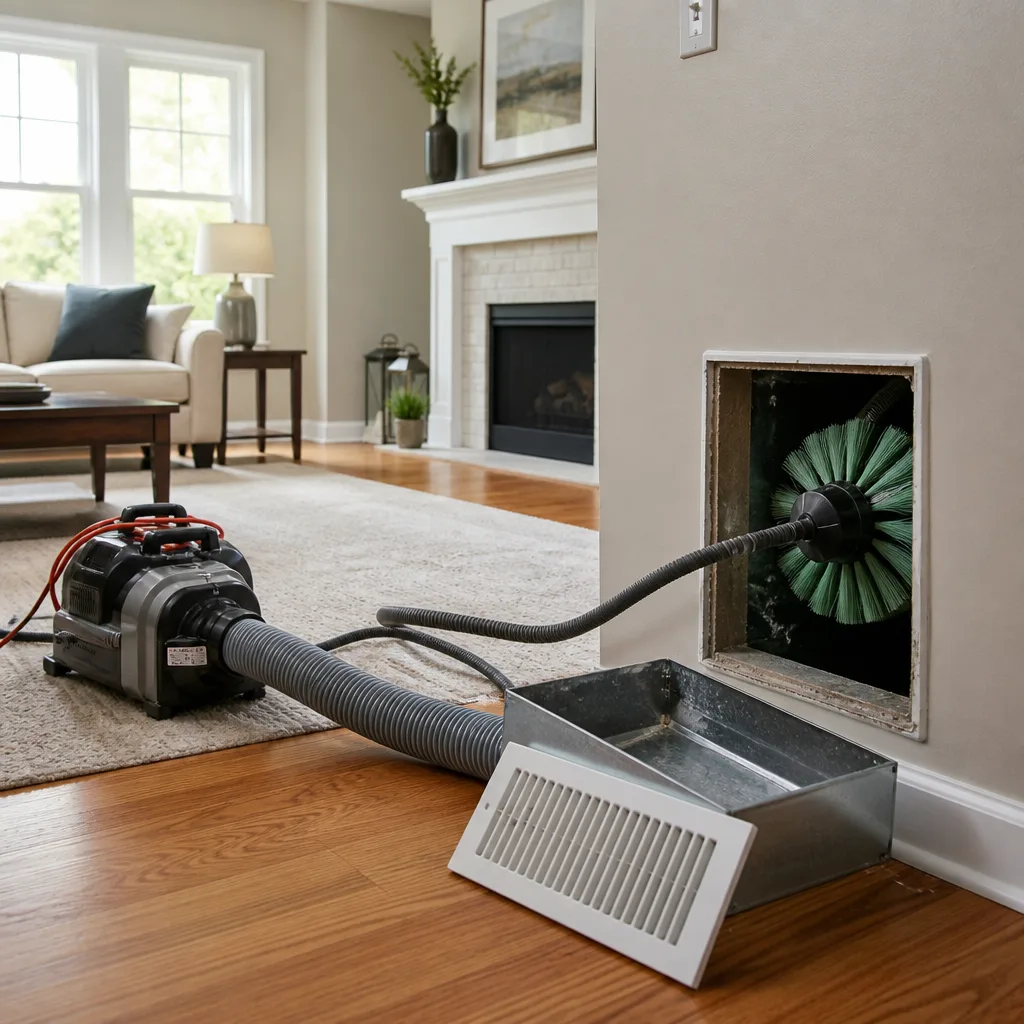
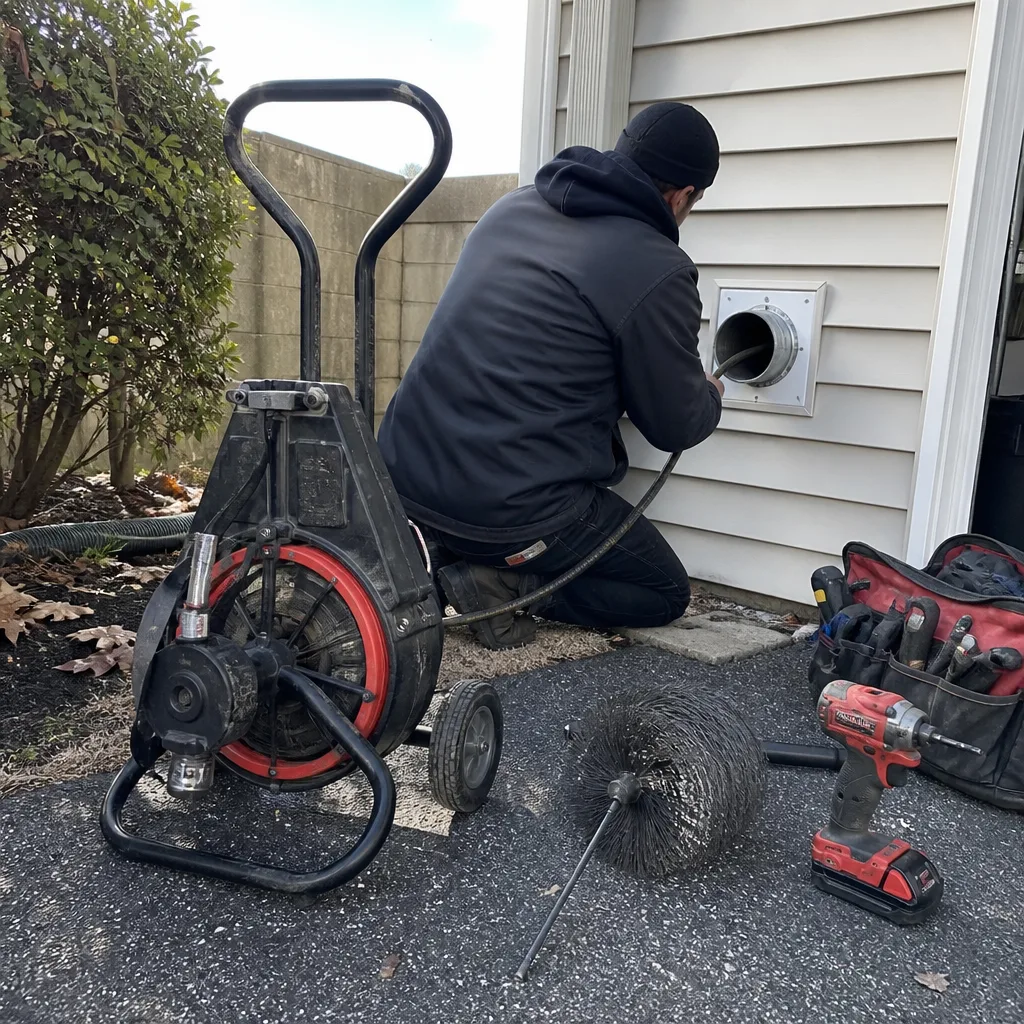
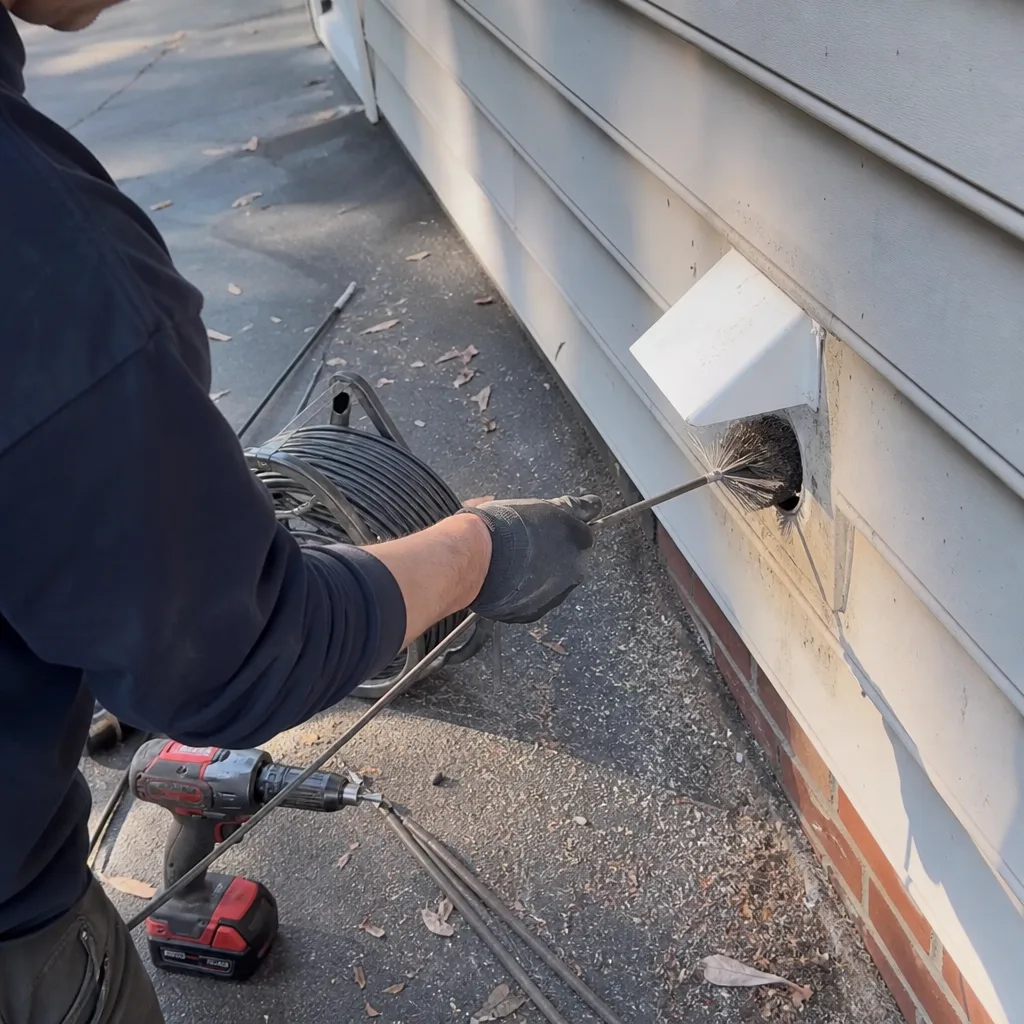
Dryer vent brushes on flexible rods extend 12-20 feet and spin via cordless drill. These tools excel in straight or gently curved dryer vent runs. Applied to HVAC ductwork, they can knock loose surface debris in accessible flex duct but lack the torque to dislodge packed dust in rigid metal. The brush head, typically 4 inches in diameter, also risks damaging duct board liner - the fiberglass-faced insulation found in many Rockville homes built 1975-1995.
Compressed air “duct cleaning” kits connect to home air compressors and blast air backward through registers. Most home compressors deliver 90-120 PSI at 2-4 CFM. That pressure can blow loose dust backward toward the register, but without concurrent negative-pressure extraction at the plenum, the debris simply resettles elsewhere in the system. We’ve documented this in Rockville’s King Farm and Fallsgrove neighborhoods, where homeowners reported “dust blowing from vents for weeks” after compressed-air attempts.
Key limitation summary:
- Effective reach: 2-5 feet from register opening in typical branch ducts
- Static pressure: 1.5 inches water column (vs. 8-12 for professional equipment)
- Agitation capability: surface dust only; no packed debris removal
- Extraction: none at plenum; debris displaced, not removed
- Duct board risk: moderate to high with mechanical brushes
In our experience across Rockville’s varied housing stock, consumer equipment produces visible improvement at the register itself - cleaner boots, less surface dust - but leaves the system’s mass of debris essentially untouched.
What Professional Equipment Achieves
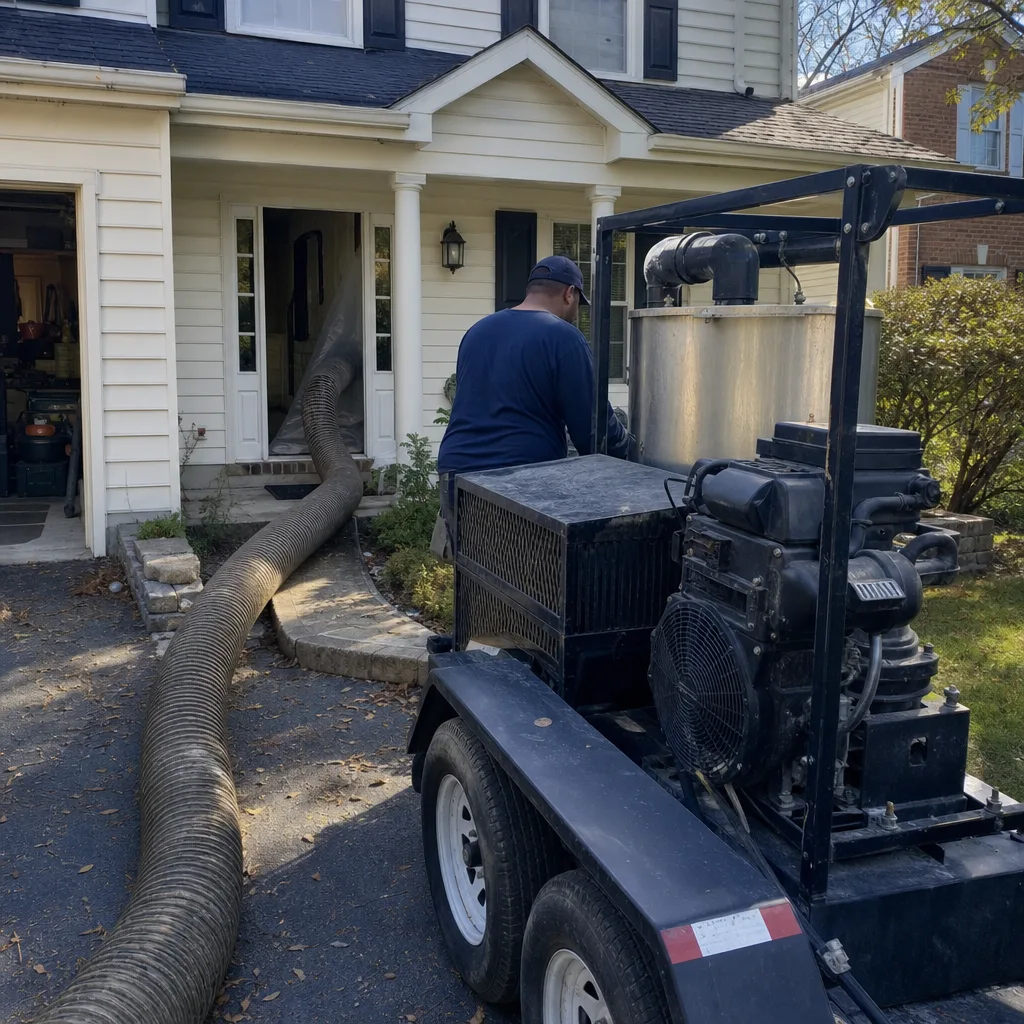
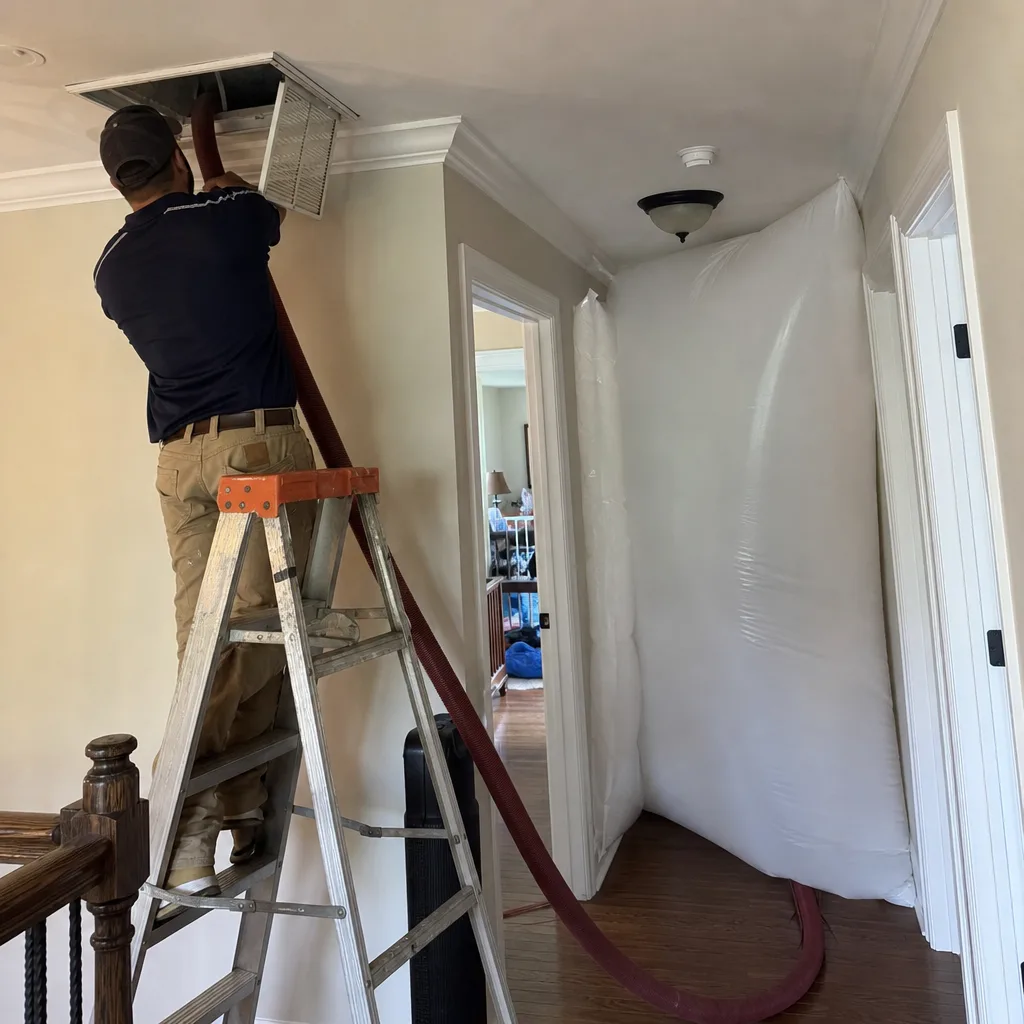
Professional duct cleaning operates on different physical principles: negative-pressure containment at the air handler, mechanical agitation throughout the duct network, and HEPA-filtered exhaust to prevent recontamination.
Negative-pressure extraction is the core technology. A truck-mounted or high-powered portable vacuum - brands like Nikro and Abatement Technologies produce units common in the Washington metro market - connects to the supply and return plenums through sealed access ports. These systems generate 8-12 inches of water column static pressure and move 4,000-5,000 CFM. That pressure differential pulls dislodged debris through the entire duct network toward the collection point, rather than pushing it deeper into branch lines.
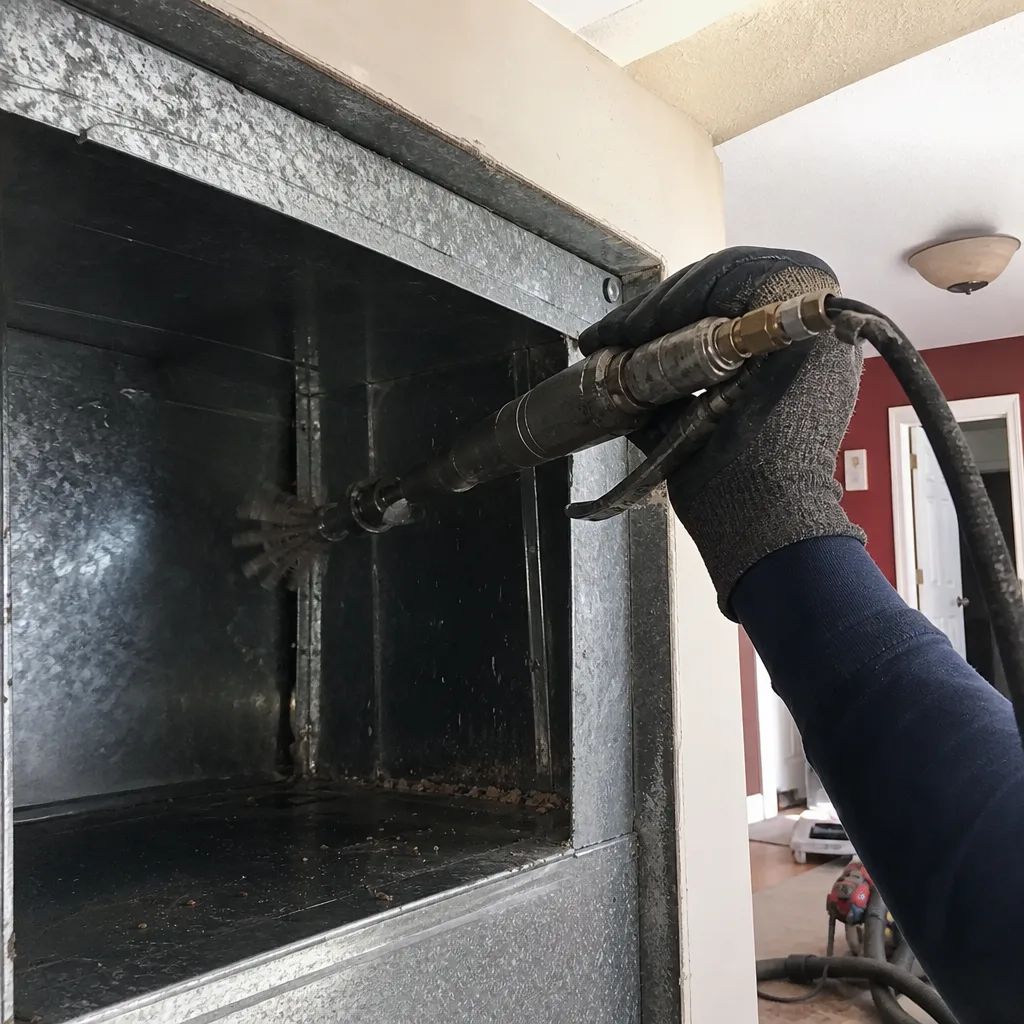
Mechanical agitation reaches what suction alone cannot. Rotobrush systems, which we use on appropriate jobs in Rockville, deploy a spinning brush on a flexible cable through each duct run. The brush makes physical contact with all four walls of a rectangular metal duct or the full circumference of flex pipe, dislodging debris that has adhered to surfaces over years. The brush simultaneously acts as an air mover, carrying debris toward the negative-pressure port. For delicate duct board or heavily lined systems, pneumatic whips and skipper balls provide agitation without the rotational contact that could tear fiberglass facing.
HEPA containment completes the system. Professional equipment exhausts through filters rated at 99.97% efficiency at 0.3 microns. This matters in Rockville’s humid summers, where disturbed mold spores or accumulated pollen can re-enter living space through unfiltered exhaust. Consumer shop vacs, even those with “HEPA” aftermarket filters, rarely achieve sealed containment; fine particles escape at hose connections and filter seals.
The equipment difference translates to measurable outcomes. In a typical 2,000-square-foot Rockville colonial with 12-16 duct runs, professional negative-pressure cleaning with mechanical agitation removes debris from the full length of each run - 15-35 feet per branch - and from the main trunk lines that consumer tools cannot access at all. The Air Duct Cleaning in Rockville process includes a Documented Photo Record of every run, so the before-and-after comparison is visible, not assumed.
Tasks You Can Safely DIY
Certain maintenance tasks require no specialized equipment and carry minimal risk of system damage. These are appropriate for any Rockville homeowner comfortable with basic household maintenance.
1. Register and boot cleaning
Remove floor, wall, or ceiling registers. Wash metal or plastic grilles in warm soapy water. Vacuum the boot - the sheet-metal box beneath the register - using a shop vac with a crevice tool. This removes the visible dust accumulation that contributes to register-area grime and reduces immediate reintroduction of surface debris when the HVAC cycles. Effective frequency: quarterly, or monthly during high-pollen seasons in Rockville’s tree-dense neighborhoods like Woodley Gardens and Twinbrook.
2. Filter replacement
The most impactful DIY task. Replace 1-inch pleated filters every 60-90 days; 4-5-inch media filters every 6-12 months per manufacturer specification. Use MERV 8-13 rated filters - sufficient for Rockville’s pollen and urban particulate load without overrestricting airflow in older systems. Write the replacement date on the filter frame. This single practice reduces duct debris accumulation more than any cleaning intervention.
3. Visual inspection of accessible flex duct
In unfinished basements or accessible attics, examine exposed flex duct for physical damage: crushed sections, disconnected collars, torn outer vapor barrier. Rockville’s freeze-thaw cycles and humid summers accelerate flex duct deterioration, particularly in attic installations. Document findings with dated photographs. Damaged flex requires professional repair - do not attempt to reseal with tape, which fails within months in unconditioned spaces.
4. Return air box vacuuming
The return air box - the large sheet-metal chamber where return ducts converge before the air handler - often accumulates debris at its accessible base. With the system powered off, remove the filter and vacuum visible debris from the box floor using a standard household vacuum with extension wand. Do not reach into the blower compartment; that requires electrical lockout procedures beyond homeowner scope.
5. Exterior intake and exhaust inspection
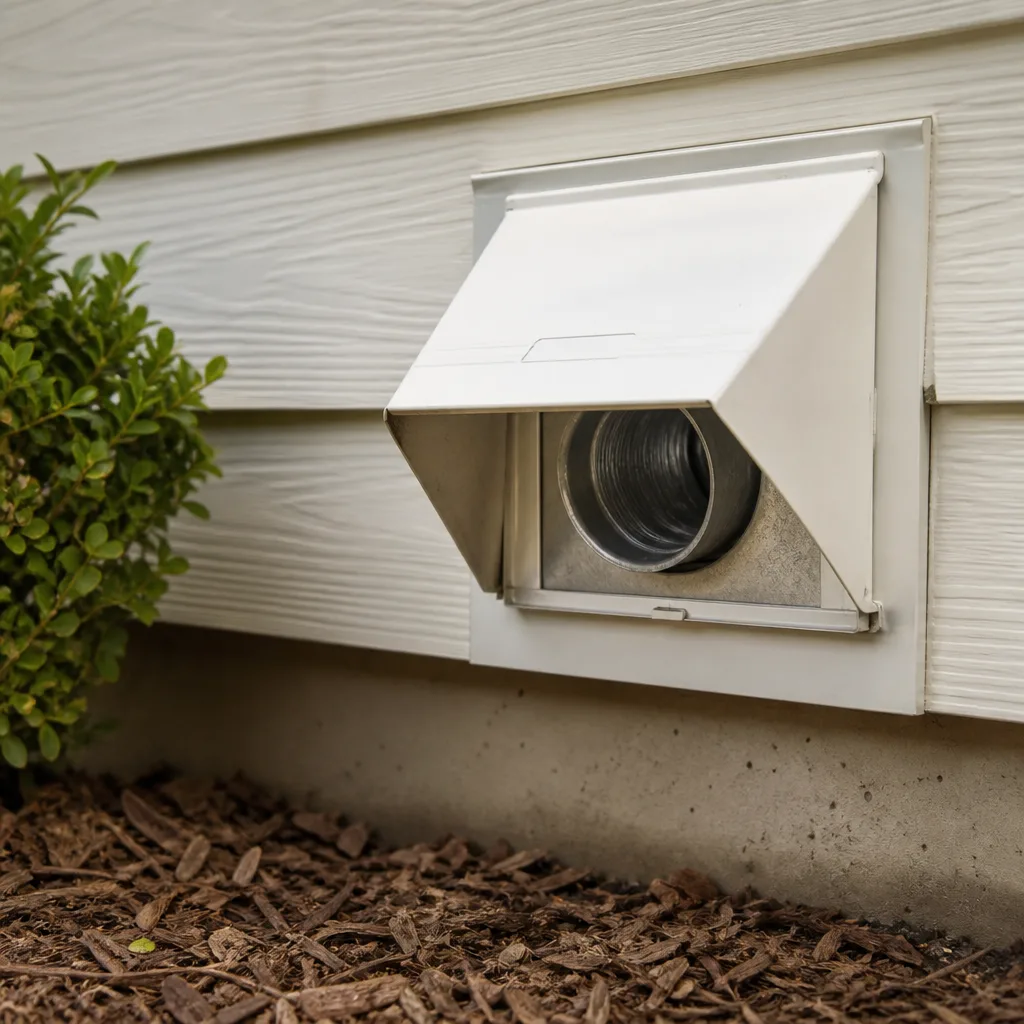
Check outdoor HVAC intake grilles and dryer exhaust terminations for obstruction: leaf accumulation, rodent nesting material, paint overspray. Rockville’s mature tree canopy makes this a seasonal necessity, particularly after autumn leaf drop and spring pollen storms.
These five tasks improve system hygiene and provide early warning of conditions requiring professional attention. None require equipment beyond a household vacuum, screwdriver, and flashlight.
Conditions Where DIY Is Contraindicated
Certain duct conditions make consumer intervention inadvisable due to health risk, equipment damage potential, or physical impossibility.
Suspected mold contamination
Visible mold growth on duct interior surfaces - typically appearing as irregular spotting in colors ranging from white to black to green - requires professional assessment and remediation. Disturbing mold colonies without containment spreads spores throughout the living space. Rockville’s July-September humidity, regularly exceeding 70% dew points, creates conditions where mold establishes in poorly insulated duct sections. We encounter this frequently in pre-1980 homes with unconditioned crawl space duct runs in neighborhoods like Lincoln Park and West End. Professional remediation includes source moisture correction, not merely surface cleaning.
Post-renovation debris in main trunks
Construction dust - drywall compound, sawdust, insulation fragments - accumulates differently from household dust. It is denser, more abrasive, and often settles in main trunk lines where no consumer tool reaches. In Rockville’s active renovation market, particularly in the 20850 and 20852 zip codes where 1960s-era homes undergo gut renovations, we’ve extracted 5-15 pounds of construction debris from single trunk sections. Attempting DIY removal with insufficient extraction pressure drives this abrasive material into blower motors and heat exchangers, causing mechanical damage.
Duct board liner degradation
Fiberglass duct board, common in Rockville homes built 1975-1995, has a hardened interior facing that can delaminate under mechanical agitation. Once the facing is compromised, raw fiberglass enters the airstream. Consumer brushes and compressed air tools lack the pressure-sensitive adjustment that prevents this damage. Professional assessment determines whether duct board is intact, deteriorated, or already shedding - each condition dictating a different protocol.
Rodent or insect infestation evidence
Droppings, nesting material, or carcasses in ducts indicate active or recent pest presence. Beyond cleaning, this requires pest control intervention, entry point sealing, and potentially duct section replacement. DIY disturbance of rodent-contaminated material without respiratory protection risks hantavirus and other zoonotic disease. The CDC recommends professional handling of rodent-contaminated enclosed spaces.
Asbestos-containing transite duct
Some Rockville homes built 1945-1975 contain transite (asbestos-cement) ductwork, typically in slab-on-grade construction. Disturbance of deteriorated transite releases asbestos fibers. Professional asbestos survey and abatement protocol applies before any cleaning or repair.
The True Cost of DIY
The advertised appeal of DIY duct cleaning is cost savings. An honest accounting includes equipment, time, risk exposure, and opportunity cost of incomplete results.
Equipment purchase or rental
A capable shop vacuum with HEPA filtration: $150-$350. Dryer vent brush kit with extension rods: $30-$80. Compressed air kit (requires compressor ownership or rental): $50-$150. Total equipment outlay for a serious DIY attempt: $230-$580. These are sunk costs; the equipment has no resale value and limited utility for other household tasks.
Time investment
A thorough DIY attempt on a 2,000-square-foot home - removing all registers, cleaning boots, attempting branch duct reach, replacing registers - requires 4-6 hours for a first attempt. Most homeowners underestimate register count; a typical Rockville colonial has 12-18 registers plus 3-5 return grilles. The physical contortion of floor-level register work, particularly in homes with baseboard heating obstructions common in 1960s Rockville construction, extends time and physical strain.
Risk of incomplete cleaning
The most significant hidden cost. Debris dislodged but not extracted resettles in deeper duct sections, often concentrating at the first elbow or damper. This can restrict airflow more severely than the original distributed accumulation, creating hot/cold spots and blower strain. We’ve documented this in Rockville’s Flower Valley and North Farm neighborhoods, where homeowners reported decreased system performance after DIY attempts. Correcting this requires professional cleaning at full price, with no credit for the DIY effort.
Professional service comparison
In the Rockville market, whole-system professional air duct cleaning for a typical single-family home ranges from $450-$850, depending on system size, accessibility, and condition. This includes full trunk and branch cleaning, register cleaning, plenum access, HEPA containment, and the documented photo record. The DIY equipment outlay of $230-$580 represents 50-70% of professional cost without achieving comparable results. The economic case for DIY is weaker than initial appearance suggests.
Our CleanRun Air Duct Cleaning Rockville home page details what professional service includes at a defined price, with no per-vent add-ons or post-arrival upsells.
Using DIY Inspection to Hire Smarter
A DIY inspection - distinct from DIY cleaning - is one of the most effective tools for evaluating professional proposals, as explained in our How to Hire a Air Duct Cleaning Contractor in Rockville: A Step-by-Step Guide. It creates a documented baseline that prevents contractor oversell and ensures accurate scope definition.
Step 1: Systematic register photography
- Remove one supply register. Photograph the boot interior with flash, capturing the full depth visible from the opening.
- Note the duct type: flex (insulated, flexible), rigid metal (smooth, often galvanized), or duct board (fibrous, slightly textured surface).
- Estimate visible debris depth: light dust coating, moderate accumulation (obscuring metal color), or heavy buildup (reducing visible cross-section).
- Repeat for at least three registers: one nearest the air handler, one at mid-system, one at the farthest point.
- Photograph return grilles and the return air box with filter removed.
Step 2: Air handler observation
- With power off, remove the blower compartment access panel.
- Photograph the blower wheel and evaporator coil (if visible) without touching either component.
- Note any visible debris on the blower blades or standing water beneath the coil - indicators of maintenance needs beyond duct cleaning.
Step 3: Documentation assembly
Compile photographs with date stamps, register locations (e.g., “Second floor northeast bedroom”), and observed conditions. This record serves three purposes when obtaining professional proposals:
- Prevents contractors from claiming conditions worse than observed - a documented baseline exists
- Allows accurate scope comparison between proposals - one contractor quoting “heavy contamination” and another “light maintenance” can be evaluated against your own observation
- Provides the CleanRun technician with advance information for accurate upfront pricing under Haven Standard Clause 1
We encourage this practice. A customer who arrives with dated photographs and specific observations receives a more precise proposal and, in our experience, better understands the value distinction between providers. The HVAC Cleaning in Rockville page explains how coil and blower cleaning integrates with full duct service.
Rockville-Specific Considerations
Local factors affect both DIY feasibility and professional service requirements in ways that generic guides miss; see our Seasonal Air Duct Cleaning Care for Rockville: Year-Round Homeowner’s Guide for additional context.
Climate and seasonal timing
Rockville’s humid subtropical climate - hot, humid summers and variable winters - creates distinct duct contamination patterns. Summer humidity drives condensation in poorly insulated duct sections, particularly attic runs in pre-1990 homes, accelerating dust adhesion and mold risk. Spring pollen loads, among the highest in the mid-Atlantic due to the area’s mature oak and maple canopy, deposit significant organic material in return ducts during April-May. DIY register cleaning immediately after pollen season addresses visible accumulation but misses the deeper infiltration that professional extraction removes before it decomposes and becomes odor source.
Housing stock characteristics
Rockville’s housing spans 1940s Cape Cods in West End to 2020s townhomes in Pike & Rose. Duct configurations vary accordingly:
- Pre-1960: Often uninsulated metal in basements and crawl spaces; accessible but potentially asbestos-adjacent
- 1960-1985: Galvanized steel trunk-and-branch with limited dampers; robust but prone to rust at low points where condensation collects
- 1985-2005: Mixed flex and metal; flex sections in attics degrade faster than metal in conditioned space
- Post-2005: Better insulated, often smaller duct designed for higher-velocity systems; more sensitive to airflow restriction from debris
These variations determine whether consumer tools reach meaningful duct sections and whether professional service requires specialized access approaches.
Local air quality context
Rockville’s location within the Washington-Baltimore metropolitan corridor exposes HVAC systems to urban particulate, I-270 corridor traffic emissions, and periodic agricultural drift from the Montgomery County Agricultural Reserve. Return ducts in homes near major arterials - Viers Mill Road, Rockville Pike, Shady Grove Road - show measurably higher black carbon accumulation than comparable homes in interior neighborhoods. This particulate type is particularly adherent to duct surfaces and less responsive to low-pressure consumer cleaning.
Permit and code awareness
Montgomery County requires permit and inspection for duct system modifications, including significant duct replacement. Cleaning and sealing existing ductwork does not require permit. However, if DIY inspection reveals deteriorated duct board or disconnected sections requiring replacement, professional service includes code-compliant repair scope that homeowner work cannot satisfy.
Common Mistakes to Avoid
- Using a standard household vacuum without HEPA filtration. Non-HEPA vacuums exhaust fine particulate through the motor cooling pathway, reintroducing dust to living space at smaller, more respirable particle sizes than were originally in the duct.
- Applying chemical sprays or sanitizers without knowing duct material compatibility. Consumer-grade antimicrobial sprays can corrode galvanized steel or degrade duct board adhesive. Rockville’s older metal ducts are particularly susceptible to accelerated rust from residual moisture in enclosed, unconditioned basement runs.
- Cleaning only visible registers while ignoring return pathways. Return ducts typically accumulate more debris than supply ducts - they are the intake point - yet receive less attention because their grilles are larger and appear cleaner superficially.
- Attempting main trunk access by cutting duct walls. We’ve repaired multiple Rockville homes where homeowners created access holes in trunk lines with inadequate closure, causing significant air leakage and pressure imbalance. Proper access ports require mechanical fastening and gasket sealing.
- Ignoring the evaporator coil and blower wheel. These components condition the air that moves through ducts; cleaning ducts alone while leaving contaminated coils recirculates debris immediately. The HVAC Cleaning in Rockville service addresses this integration.
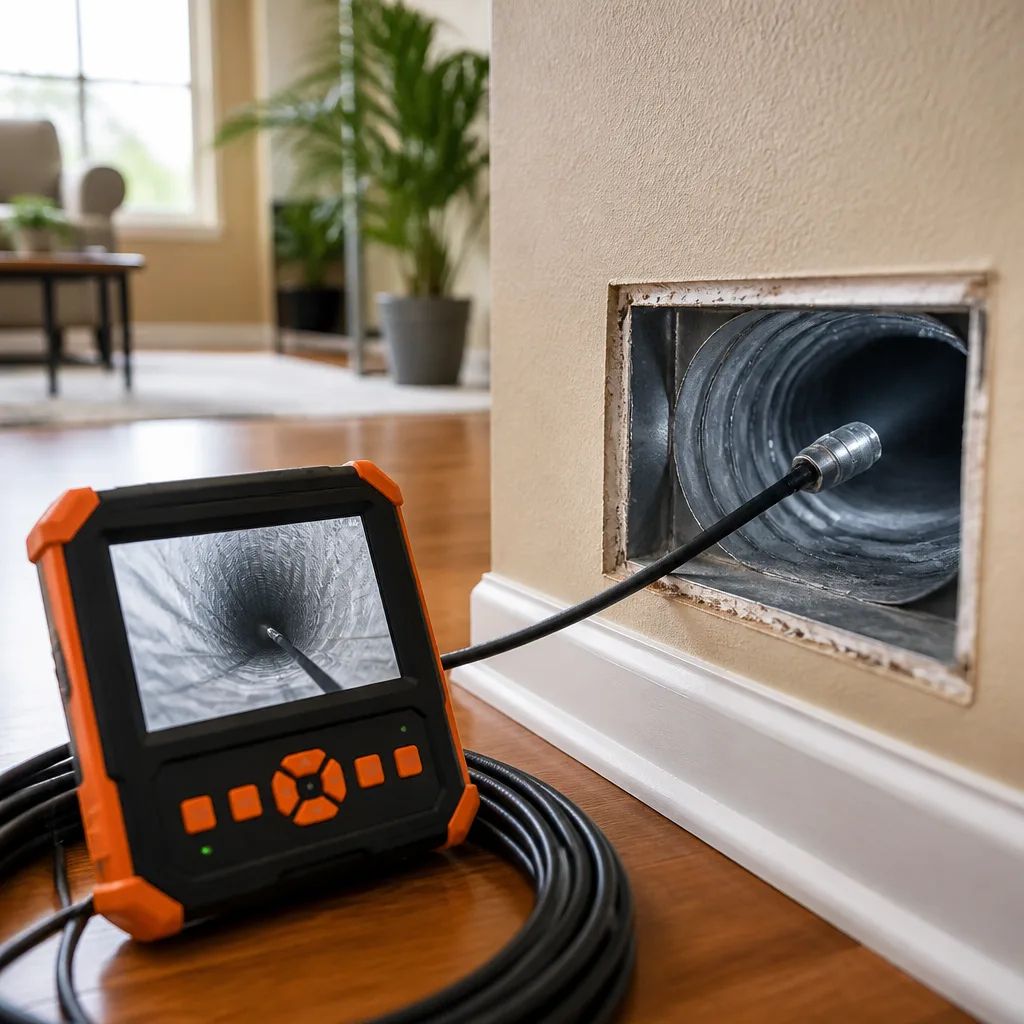
- Assuming “no visible dust” means clean ducts. Much duct contamination - particularly in return trunks - accumulates on upper surfaces where flashlight inspection from register openings cannot see it. Professional camera inspection reveals conditions invisible to homeowner examination.
- Using dryer vent brushes in HVAC flex duct with sharp turns. The rigid rod sections can puncture flex duct inner lining, creating leaks that reduce system efficiency and introduce attic or crawl space air into supply pathways.
When to Call a Professional
Call a professional when: your DIY inspection shows debris beyond visible reach; you suspect mold, rodents, or post-renovation contamination; your home has duct board or transite duct; you’ve experienced unexplained respiratory symptoms or persistent dust despite filter changes; or your system is more than 15 years old and has never been professionally cleaned. For more guides & resources, visit our blog. In Rockville’s competitive service market, select a provider who documents work photographically, provides written pricing before starting, and can explain specifically what equipment will be used on your duct type. CleanRun Air Duct Cleaning Rockville offers free estimates in Rockville - call (240) 255-4519. Every proposal includes a written price under Haven Standard Clause 1, equipment specification, and scope of documented photography.
Frequently Asked Questions
Whole-system cleaning for a typical single-family home in Rockville ranges from $450 to $850, depending on system size, duct accessibility, and contamination level. Townhomes and condominiums typically fall at the lower end; large colonials with finished basements and attic duct runs at the higher. CleanRun provides a written price before any work starts - no per-vent add-ons, no post-arrival changes. Call (240) 255-4519 for a specific estimate based on your system description.
Low quotes - particularly the $79-$149 offers common in mail coupons - typically cover register vacuuming and brief blower compartment inspection, not full-system cleaning. The equipment required for genuine negative-pressure trunk and branch cleaning costs $15,000-$40,000; a provider recovering that investment at $99 per job would need impossible volume. The common pattern: arrival, brief work, discovery of “unexpected contamination,” and significant upsell. Written upfront pricing with defined scope prevents this. CleanRun’s Haven Standard Clause 1 prohibits departure from the written price without customer-initiated scope change.
Require photographic documentation of every duct run before and after. A legitimate provider can show you the interior condition of your specific ducts, not generic stock images. CleanRun’s Documented Photo Record, included on every visit since 2013, delivers dated photographs of each supply and return run to the customer as a standard job record. If a provider cannot or will not produce this documentation, the work performed is unverifiable.
For most Rockville homes with regular filter replacement, professional cleaning every 5-7 years is sufficient. Homes with pets, recent renovation, or occupants with respiratory conditions may benefit from 3-5 year intervals. More frequent cleaning is rarely necessary and can indicate underlying issues - inadequate filtration, duct leakage, or moisture problems - that cleaning alone does not address. We assess these factors during estimate visits and recommend intervals based on specific conditions, not calendar marketing.
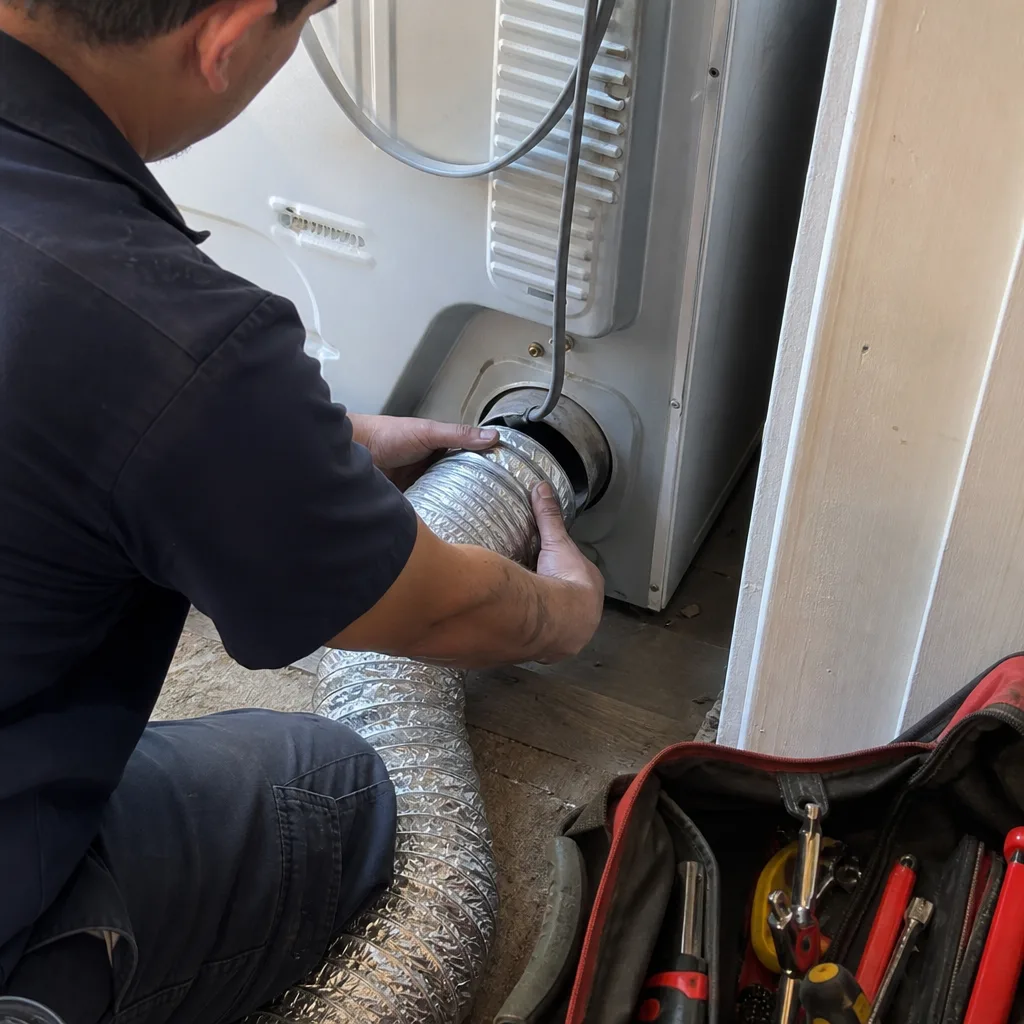
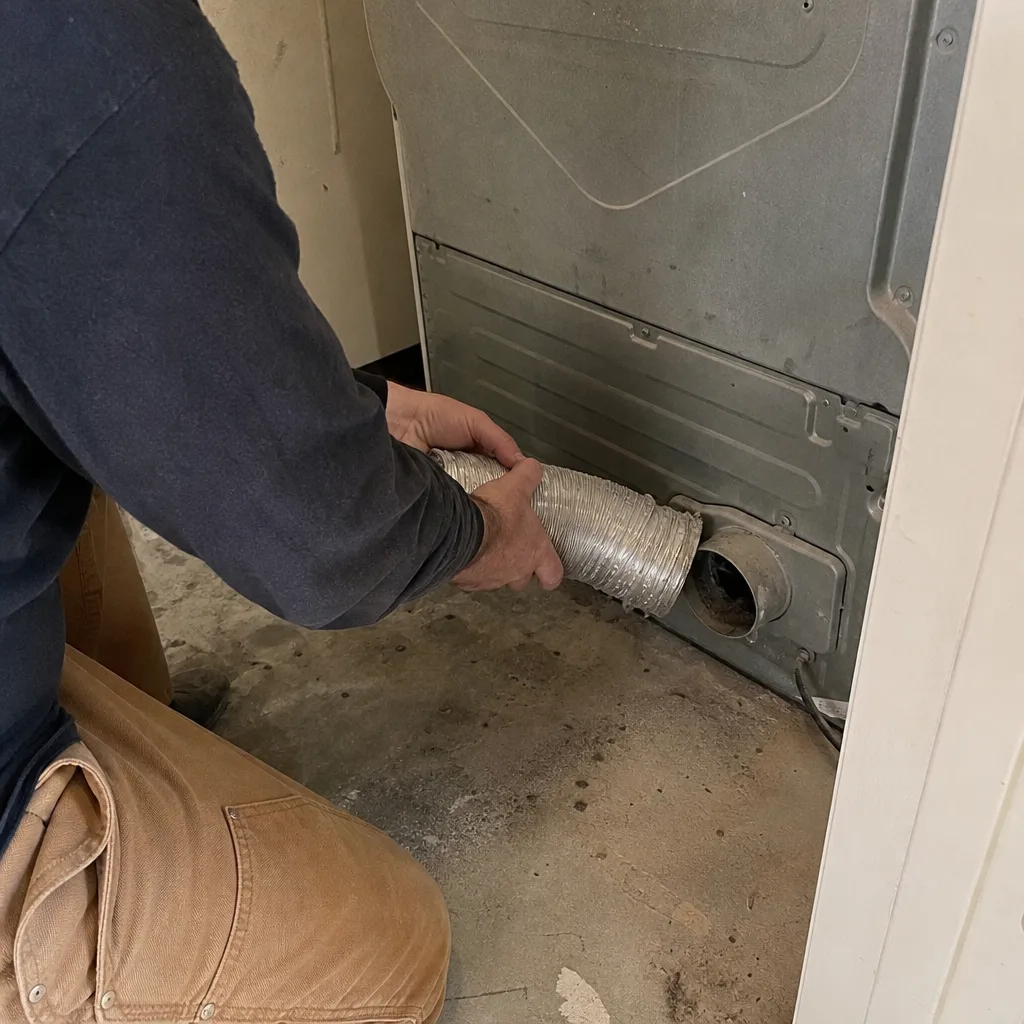
Short, straight dryer vent runs - under 10 feet with minimal bends - can often be cleaned effectively with a brush kit and shop vac from the exterior termination. Longer runs, multiple elbows, or rooftop terminations require professional equipment. In Rockville’s townhome communities, where dryers often vent through 20+ foot vertical runs to shared roof terminations, DIY cleaning is physically impossible without ladder access and specialized rotary tools. The Dryer Vent Cleaning in Rockville page details professional scope for complex configurations. Annual dryer vent cleaning is recommended regardless of approach - lint accumulation is a leading cause of residential fires.
Modest improvement is possible if ducts were severely restricted - 20%+ airflow reduction from debris accumulation. In typical conditions, the energy savings from cleaning alone are 3-8%, insufficient to justify the service on purely economic grounds. The primary benefits are indoor air quality, system longevity from reduced blower strain, and identification of duct leakage or damage during professional inspection. Any provider promising dramatic energy savings from cleaning alone is overstating the case.
The Bottom Line
The DIY versus professional duct cleaning decision is not about handiness or budget discipline. It is about equipment physics: consumer tools reach 2-5 feet with insufficient pressure to extract debris from trunk lines, while professional negative-pressure systems with mechanical agitation clean the full network and contain waste through HEPA filtration. Rockville homeowners can safely maintain registers, filters, and accessible components. For system-wide cleaning, particularly in homes with rigid metal trunks, duct board, or post-renovation conditions, professional service provides verifiable results that consumer equipment cannot replicate. The honest cost comparison - DIY equipment at $230-$580 versus professional service at $450-$850 - shows that DIY savings are partial at best, and risk creating problems that increase ultimate cost. Document your own inspection, understand your system’s specific conditions, and select a provider who responds to evidence with written scope and verifiable equipment.
Written by Tomas Reyes, Owner at CleanRun Air Duct Cleaning Rockville, serving Rockville since 2013.